Badge
May 29, 2026
The Evolving Narrative Landscape of Interactive Fiction Games
Interactive fiction games are on a rapid growth trajectory, projected to reach $7.8 billion by 2032.
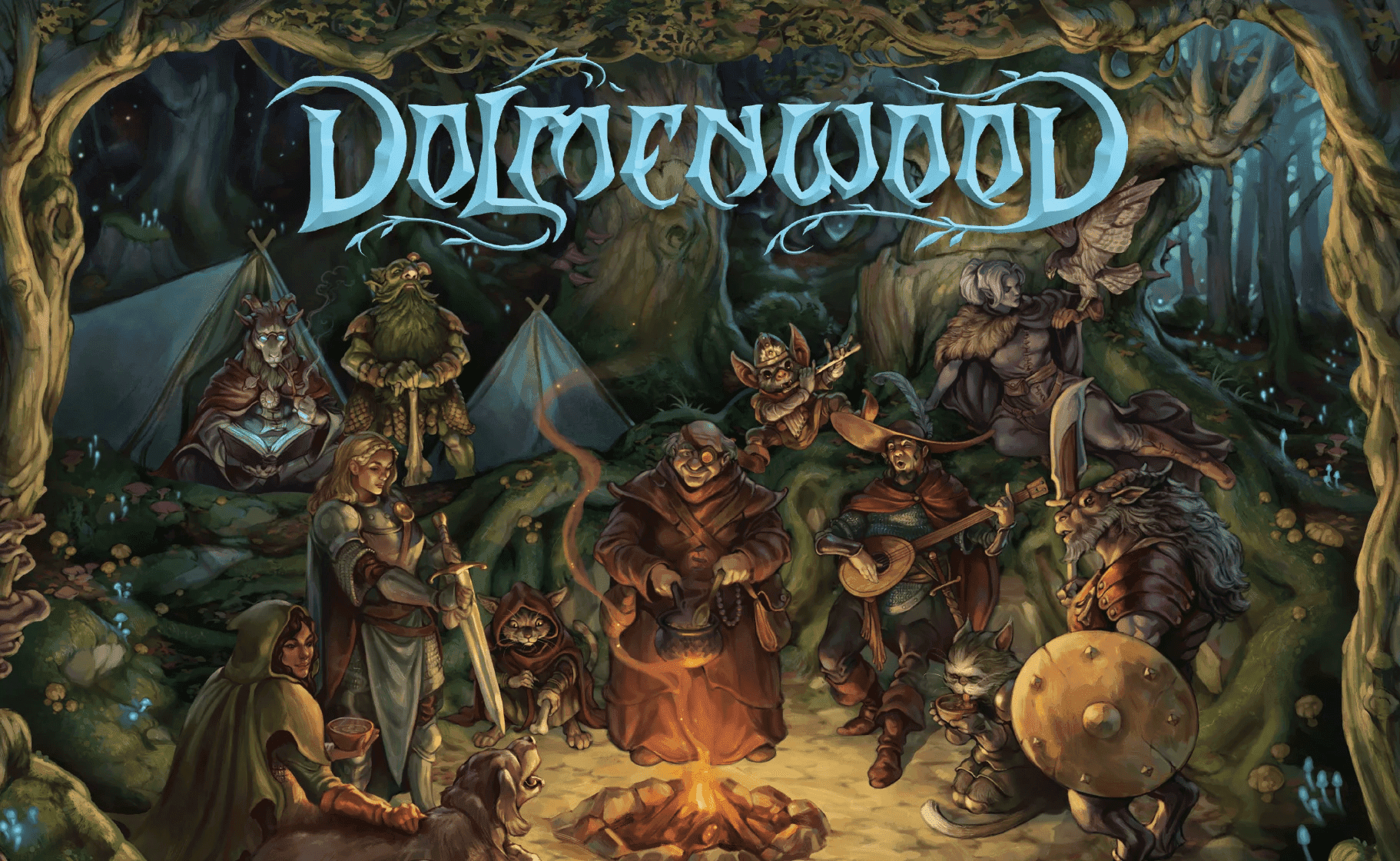
The world of interactive fiction (IF) gaming is experiencing a profound surge in popularity and market value, with projections indicating a significant expansion from USD 3,844 million in 2024 to an impressive USD 7,806 million by 2032, reflecting a robust Compound Annual Growth Rate (CAGR) of 12.0%. This genre, characterized by its emphasis on narrative-driven experiences, player choice, and branching storylines, offers a unique alternative to visually intensive, action-oriented mainstream titles.
The Allure of Immersive Storytelling
At its core, interactive fiction thrives on its ability to draw players into deeply engaging narratives. Unlike games that prioritize high-fidelity graphics or fast-paced action, IF relies on compelling written descriptions, intricate dialogue trees, and meaningful decision-making mechanics to create immersive worlds. This focus on storytelling resonates strongly with a growing segment of the gaming audience, particularly those under 35, where over 65% express a preference for story-rich titles. The increasing accessibility across PC and mobile platforms, amplified by the popularity of episodic content, further fuels this demand.
Technological Advancements Propelling Growth
Innovation in game development tools and artificial intelligence is significantly shaping the future of interactive fiction. Modern game engines and AI-powered narrative tools enable developers to craft more sophisticated and responsive storytelling experiences. Furthermore, the widespread adoption of cloud-based distribution platforms has democratized the market, substantially reducing development costs and opening doors for a wider array of creators, including a notable 32% increase in indie developer participation last year.
Navigating the Challenges of a Niche Genre
Despite its burgeoning potential, the interactive fiction market faces distinct challenges. A primary hurdle is the scarcity of talent specifically skilled in narrative design for interactive mediums. With only about 12% of game writing programs focusing on interactive narrative techniques, a critical talent gap exists, potentially impacting production quality and project timelines. Moreover, retaining player engagement in text-heavy games can be demanding, as average playtimes tend to be shorter compared to more visually driven genres. Developers must master the delicate balance between narrative depth and engaging gameplay mechanics to keep players invested.
Competitive Pressures and Market Restraints
Interactive fiction games often contend with the immense gravitational pull of mass-market, AAA titles. The substantial budgets allocated to these mainstream games, often dwarfing those for narrative-focused titles, create a significant competitive barrier in terms of production values and marketing reach. This disparity means that while interactive fiction offers unique experiences, it must continuously innovate to capture and maintain audience attention within a crowded entertainment landscape.
Emerging Avenues for Expansion
Significant opportunities lie in the integration of emerging technologies and novel applications. Advancements in natural language processing and generative AI are paving the way for dynamic narrative generation, allowing for even more personalized and responsive player experiences, with over 45% of developers actively experimenting with AI-assisted writing tools. Beyond entertainment, the rise of gamified learning presents a fertile ground for interactive fiction. Educational institutions are increasingly adopting IF for language learning and historical simulations, while corporate training programs are leveraging its power for engaging professional development, showing a 27% annual growth rate in this sector.
Segmented Insights and Dominant Platforms
The market segments reveal key trends. Visual Novels currently dominate, blending rich narratives with accessible gameplay, appealing to casual gamers and benefiting from stylized visuals. While entertainment remains the primary application, education, mental health intervention, and cultural communication are demonstrating promising growth trajectories. Individual gamers form the largest user base, but educational institutions and therapeutic centers are becoming increasingly significant end-users. Among narrative formats, choice-driven structures remain the most popular due to their balance of authorial control and player agency, and their technical scalability. The mobile platform stands out as the preferred medium, aligning perfectly with the on-the-go consumption habits of modern gamers and offering intuitive interaction through touch interfaces.
Key Players Shaping the Landscape
Leading studios such as Inkle Studios and Frictional Games are at the forefront of innovation, with titles like 80 Days and the Amnesia series setting industry benchmarks. Their success underscores the potential for narrative-driven games to achieve critical acclaim and commercial viability. These pioneers, along with established companies like Square Enix, are exploring advanced features such as AI-generated narratives and sophisticated voice-acted dialogue systems, pushing the boundaries of what interactive fiction can achieve and solidifying its place as a vital and evolving genre in the gaming ecosystem.
Source Insight: This report was curated based on original coverage from intelmarketresearch.com.
Explore Kri-Zek
📱 Altered Brilliance App
Download on Google Play · Watch the Trailer
📖 The Power of Gaming
Watch the Video
🤝 Connect With Us
Kri-Zek on LinkedIn · Founder on LinkedIn · Happenstance
📸 Follow Us on Instagram
@krizekster · @krizek.tech · @krizekindia