Badge
May 11, 2026
The Evolving Narrative of Video Games and Mental Well-being
Contrary to persistent stereotypes, video gaming is emerging as a positive force for mental health.
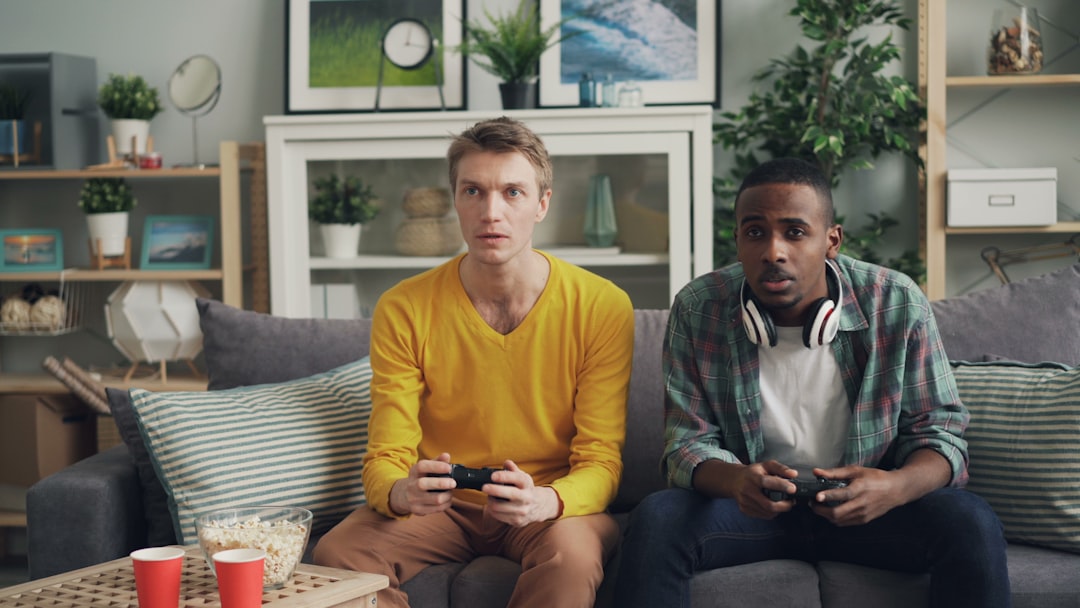
The prevailing narrative surrounding video games has long been tinged with apprehension, often painting them as a detrimental pastime. However, a growing body of research is challenging these outdated perceptions, revealing a more complex and often beneficial relationship between gaming and psychological well-being.
Recent studies, such as one conducted in Japan involving nearly 100,000 participants, indicate that owning game consoles and engaging in gameplay can broadly enhance mental well-being. This research, conducted between 2020 and 2022, leveraged the unique circumstances of the COVID-19 pandemic, where increased demand for gaming products presented an opportunity to study their impact.
Console Preferences and Psychological Impact
Intriguingly, the type of gaming console appears to play a significant role in the observed mental health benefits. The study found that different consoles yielded varying effects on life satisfaction, with these differences influenced by factors such as household composition, gender, and age. For instance, the PlayStation 5 showed a more pronounced positive impact for men, particularly in households without children and among dedicated gamers.
Conversely, the Nintendo Switch demonstrated a more equitable impact across genders and was found to be particularly beneficial for non-gamers and children. This suggests that the alignment between a console's brand identity and an individual's self-perception or aspirations might contribute to its psychological benefits, fostering a sense of connection and affirmation.
The Threshold of Beneficial Play
An important nuance emerging from this research is the non-linear relationship between gameplay duration and improved life satisfaction. The findings suggest that playing video games for more than three hours a day did not confer greater benefits than playing for approximately three hours daily. This indicates a potential plateau effect, where excessive engagement may not necessarily lead to amplified positive outcomes.
Gaming as a Coping Mechanism
The context of the COVID-19 pandemic is crucial to understanding these findings. It's plausible that individuals turned to video games as a refuge during a period marked by significant stress and isolation. While this highlights gaming's capacity to support mental health during challenging times, it also raises questions about the replicability of these benefits in a post-pandemic world with reduced levels of societal distress.
Refining Our Understanding of Digital Engagement
As life returns to a semblance of normalcy and a wider array of leisure activities become accessible, the relative importance and effectiveness of gaming might shift. Nevertheless, research of this nature is vital for providing a more nuanced understanding of how digital engagement, particularly video gaming, influences individuals.
Informing Policy and Practice
By contributing to a richer, evidence-based perspective on video gaming's psychological effects, studies like these can help policymakers and organizations involved in digital media regulation make more informed decisions. Moving beyond simplistic notions of harm, we can begin to appreciate the complex and often beneficial role that interactive entertainment plays in modern life.
Source Insight: This report was curated based on original coverage from psychologytoday.com.
Explore Kri-Zek
📱 Altered Brilliance App
Download on Google Play · Watch the Trailer
📖 The Power of Gaming
Watch the Video
🤝 Connect With Us
Kri-Zek on LinkedIn · Founder on LinkedIn · Happenstance
📸 Follow Us on Instagram
@krizekster · @krizek.tech · @krizekindia