Badge
Apr 10, 2026
The Flourishing Mindset Unlocking Gaming's Positive Mental Health Potential
Explore how video games, often maligned, can actually foster positive mental health. This deep dive into research reveals the surprising links between gaming and psychological well-being.
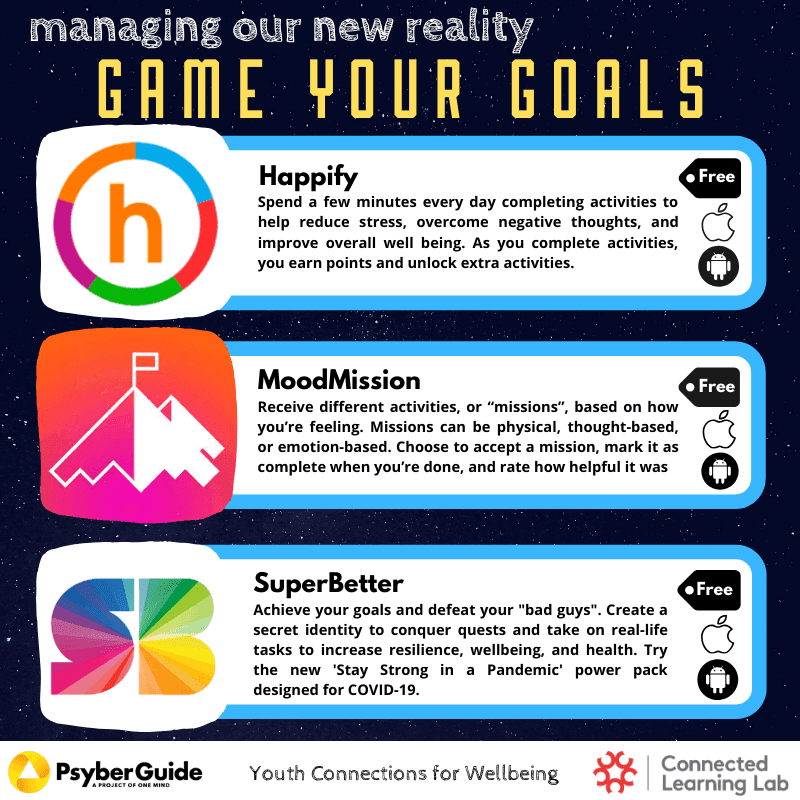
In the ongoing discourse surrounding video games, a narrative of potential harm, particularly concerning violent content and excessive play, has often dominated. However, a growing body of research, including influential work from Frontiers in Psychology, is shifting this perspective, illuminating the profound connections between gaming and flourishing mental health. This exploration delves into the less-discussed, positive intersections, challenging preconceptions and highlighting how digital worlds can contribute to psychological well-being.
Redefining Mental Health Beyond Absence of Disorder
Traditional views often define mental health by the absence of disorder. Yet, the concept of flourishing offers a more robust and aspirational framework. As proposed by Huppert and So, flourishing is a state characterized by both feeling good and functioning effectively. This encompasses high levels of mental well-being, moving beyond simply not being unwell to actively thriving. This nuanced understanding is crucial when examining the role of any activity, including video games, in fostering positive psychological states.
Examining the Nuances of Negative Effects
It's undeniable that research has historically focused on the negative impacts of gaming, such as links to aggression and pathological play. Studies exploring violent video games have often been scrutinized for methodological limitations, including an overreliance on self-reported aggression and laboratory settings that may not accurately reflect real-world behavior. Critics argue that publication bias and the emphasis on lab measures might exaggerate the perceived relationship between virtual violence and actual aggression. Furthermore, research into pathological gaming suggests that underlying issues like loneliness and diminished social competence may precede excessive play, rather than being solely a consequence of it.
Videogames as Catalysts for Positive Well-being
Despite the historical focus on negatives, the landscape is changing. Videogames, evolving from solitary experiences to vast multiplayer environments, offer unique opportunities for positive psychological engagement. The research reviewed suggests that existing games, even those not explicitly designed for therapeutic purposes, possess inherent strengths that can cultivate positive affect, enhance functioning, and foster social connections. These elements are foundational to achieving a state of flourishing.
The PERMA Framework and Gaming
To understand how videogames contribute to positive mental health, researchers are turning to comprehensive well-being theories, such as Martin Seligman's PERMA model. PERMA stands for Positive Emotion, Engagement, Relationships, Meaning, and Accomplishment – the core components of a flourishing life. This framework provides a valuable lens through which to analyze the specific ways gaming can support and enhance mental well-being.
Cultivating Positive Emotion through Play
Many games are inherently designed to evoke positive emotions. The thrill of victory, the satisfaction of solving a complex puzzle, or the joy of exploring a beautifully rendered world can significantly boost an individual's affective state. This sustained positive emotion, when integrated into a balanced lifestyle, contributes to overall happiness and resilience.
The Power of Engagement and Flow
Videogames are masters at fostering engagement, often leading players into a state of 'flow' – a concept where individuals are fully immersed in an activity, characterized by energized focus, full involvement, and enjoyment. This deep absorption can be incredibly beneficial, offering an escape from daily stressors and providing a sense of deep satisfaction derived from challenging yet achievable tasks. Overcoming obstacles within a game can build confidence and a sense of mastery.
Building Relationships in Virtual Worlds
Contrary to the stereotype of the isolated gamer, modern gaming is increasingly social. Multiplayer games, online communities, and collaborative gameplay provide rich environments for relationships. Players form friendships, develop teamwork skills, and experience a sense of belonging, which are vital components of social well-being and can combat feelings of loneliness. These virtual connections can often translate into meaningful real-world friendships.
Finding Meaning and Accomplishment
Many games offer opportunities to discover meaning through narrative, role-playing, or contributing to a larger community goal. Similarly, the pursuit of objectives, leveling up, and achieving difficult feats within a game provides a strong sense of accomplishment. This can translate into a boosted self-esteem and a greater belief in one's ability to overcome challenges, both in-game and in life.
Towards a Balanced Gaming Future
While the potential for negative outcomes associated with excessive or problematic gaming cannot be ignored, the evidence for positive impacts is compelling. By understanding how games can foster positive emotions, deep engagement, social connections, meaning, and accomplishment, we can move towards a more balanced perspective. The research suggests that when approached mindfully, video games can be powerful tools, not just for entertainment, but for fostering flourishing mental health and overall well-being.
Source Insight: This report was curated based on original coverage from frontiersin.org.
Explore Kri-Zek
📱 Altered Brilliance App
Download on Google Play · Watch the Trailer
📖 The Power of Gaming
Watch the Video
🤝 Connect With Us
Kri-Zek on LinkedIn · Founder on LinkedIn · Happenstance
📸 Follow Us on Instagram
@krizekster · @krizek.tech · @krizekindia