Badge
Apr 18, 2026
The Future of Play Gaming Technologies Shaping Tomorrow's Experiences
Dive into the cutting-edge technologies that are redefining gaming in 2026. From immersive VR to the evolving landscape of AI and cloud gaming, discover what's next for interactive entertainment.
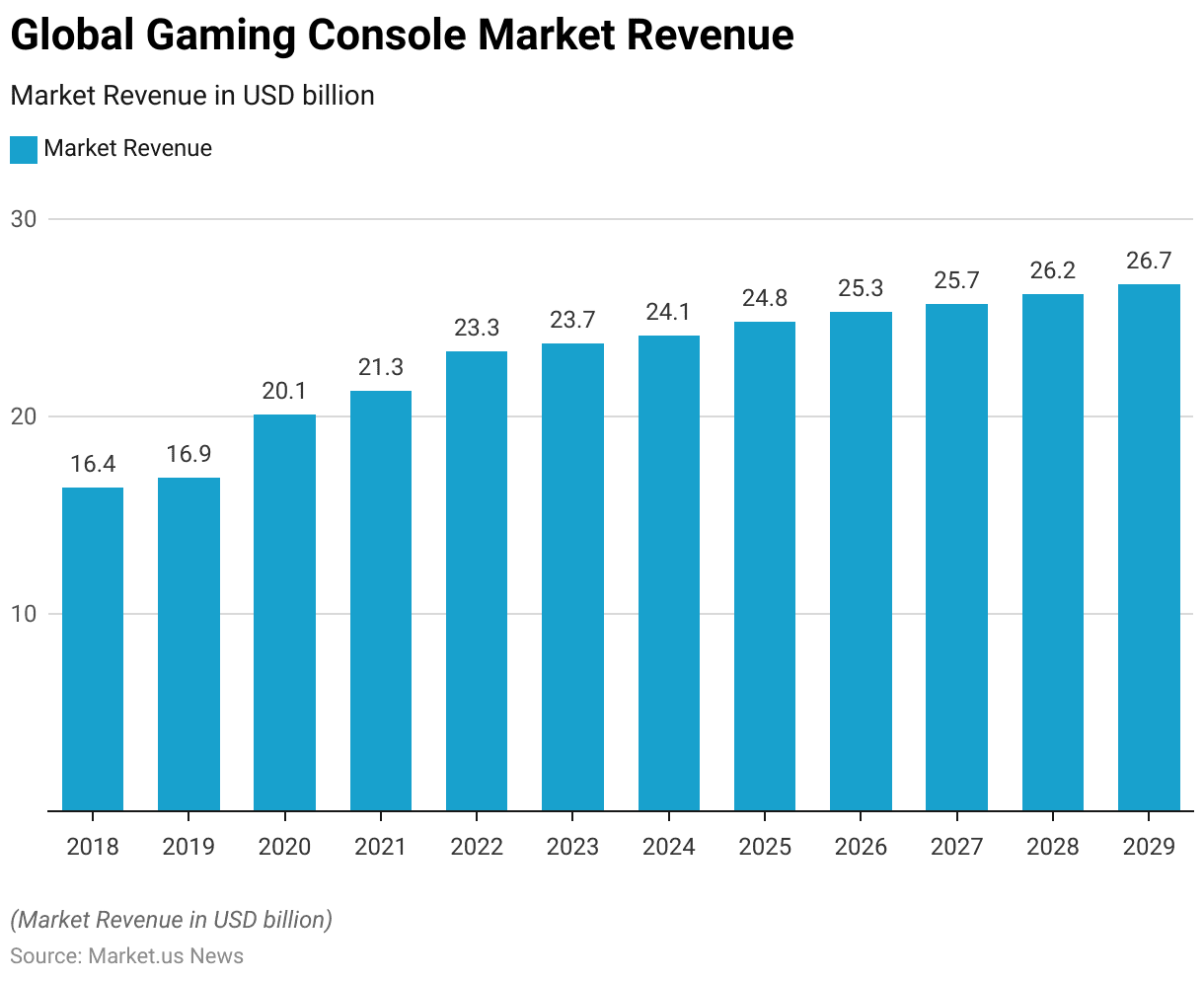
The gaming industry, a titan with a multi-billion dollar turnover, is in a perpetual state of evolution, driven by rapid technological advancements. What once began as simple pixelated adventures has blossomed into incredibly realistic, expansive virtual worlds teeming with real-time player interaction. This transformation is not merely aesthetic; it’s fundamentally tied to the underlying technology that enables increasingly complex and resource-intensive gaming experiences.
As we look towards 2026, several key technological trends are poised to reshape how we play, interact, and even perceive the digital realms. These innovations promise to push the boundaries of immersion, accessibility, and social connection, making gaming more engaging and ubiquitous than ever before.
The Ascendance of Immersive Realities
Virtual Reality (VR) and Augmented Reality (AR) continue their march towards mainstream adoption. Beyond gaming, these technologies are fostering deeper engagement through hyper-realistic environments and interactive elements. The progress in haptic feedback suits and more comfortable, higher-resolution headsets suggests that by 2026, the line between the physical and digital will blur even further, offering unparalleled levels of presence and immersion.
AI-Powered Worlds and Characters
Artificial Intelligence is no longer just about enemy pathfinding. In 2026, expect AI to play a crucial role in creating dynamic game worlds that adapt to player actions, generate procedural content on the fly, and power more sophisticated and believable non-player characters (NPCs). This will lead to more personalized and emergent gameplay experiences, where every playthrough can feel unique.
Cloud Gaming Becomes the Norm
Cloud gaming services are set to mature significantly. By 2026, the infrastructure supporting these platforms will likely offer lower latency, higher streaming quality, and broader device compatibility. This shift means high-fidelity gaming will become accessible on virtually any device with an internet connection, removing the barrier of expensive hardware and democratizing access to premium gaming experiences.
Cross-Platform Play and Persistent Worlds
The fragmentation of gaming experiences across different platforms is diminishing. Enhanced cross-platform play and progression systems will allow players to seamlessly game with friends regardless of their chosen device. Coupled with the rise of persistent online worlds, this fosters a more connected and collaborative gaming community.
Blockchain and NFTs in Gaming
While still a nascent and debated area, blockchain technology and Non-Fungible Tokens (NFTs) may find more meaningful integration in 2026. Potential applications include true digital ownership of in-game assets, player-driven economies, and new monetization models that could empower players more directly within game ecosystems.
Advancements in Graphics and Rendering
Ray tracing, AI-upscaling technologies, and more sophisticated rendering pipelines will continue to push the envelope for visual fidelity. Expect games in 2026 to boast lighting, reflections, and environmental details that approach photorealism, making virtual worlds more breathtaking and believable.
The Evolution of Input Methods
Beyond traditional controllers and keyboard-mouse setups, expect innovation in input devices. This could include more intuitive motion controls, advanced eye-tracking for natural interaction, and even brain-computer interfaces (BCIs) making early inroads into consumer gaming, offering novel ways to control gameplay.
Enhanced Accessibility Features
Gaming is becoming more inclusive. By 2026, accessibility will be a core design principle, with more games offering a wider array of customization options for controls, visual aids, audio cues, and difficulty settings, ensuring that more people can enjoy the enriching experience of gaming.
The Rise of User-Generated Content Platforms
Tools for creating and sharing game content will become more powerful and accessible. This will fuel a new wave of creativity, allowing players to become creators, building and populating their own virtual spaces and experiences within larger gaming ecosystems.
Metaverses and Social Gaming Spaces
The concept of the metaverse will continue to evolve, with gaming platforms serving as early hubs for these interconnected virtual spaces. These platforms will blend gaming, social interaction, and digital experiences, creating persistent online communities where players can coexist and engage in a multitude of activities.
Mobile Gaming's Continued Dominance
Mobile gaming will not only retain its massive player base but also become more sophisticated. Advancements in mobile hardware and game development tools will enable more complex and console-like experiences on smartphones and tablets, further blurring the lines between mobile and traditional gaming platforms.
The Future is Now
These trends highlight a future where gaming is more immersive, intelligent, accessible, and interconnected than ever before. The convergence of these technologies promises not just better games, but entirely new forms of interactive entertainment that will captify players and redefine digital engagement.
Source Insight: This report was curated based on original coverage from kevurugames.com.
Explore Kri-Zek
📱 Altered Brilliance App
Download on Google Play · Watch the Trailer
📖 The Power of Gaming
Watch the Video
🤝 Connect With Us
Kri-Zek on LinkedIn · Founder on LinkedIn · Happenstance
📸 Follow Us on Instagram
@krizekster · @krizek.tech · @krizekindia