Badge
Mar 31, 2026
The Future of Work: No-Code Platforms Evolve Beyond Automation
The no-code revolution is entering a new era. By 2027, expect AI to become integral to development, process mining to uncover automation opportunities, and robust governance to become standard.
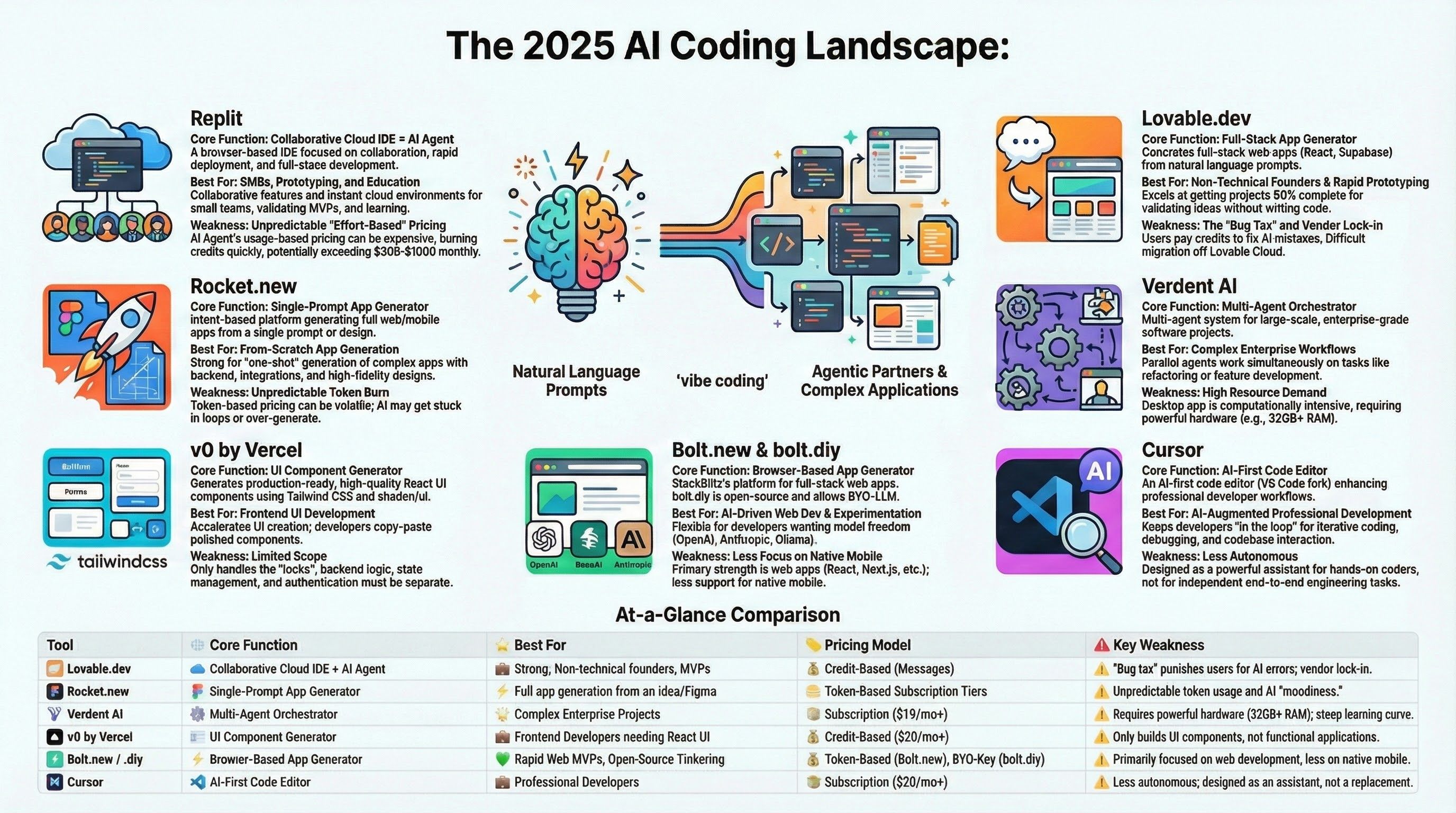
The landscape of enterprise software development is on the cusp of a significant transformation, moving beyond simple automation to become a strategic innovation engine. By 2027, the evolution of no-code platforms will be driven by powerful AI-augmented capabilities, intelligent workflow orchestration, and robust governance frameworks. This next wave represents a fundamental shift in how organizations build and manage their digital processes, moving from catching up on automation to driving proactive, AI-powered innovation.
The initial surge in no-code adoption focused on digitizing and automating long-standing manual workflows. By 2026, many organizations will have successfully automated tasks like purchase order approvals and onboarding. The immediate gains from these straightforward automations have largely been realized. What lies ahead is a more profound evolution, with no-code trends in 2027 poised to redefine the very nature of enterprise software creation and deployment.
2027 is set to be an inflection point for no-code technology, marked by three converging forces. Firstly, AI-augmented no-code is transitioning from experimental concepts to reliable, production-grade tools. Early AI features, while impressive, will be dwarfed by the advanced, AI-driven assistance available by 2027. This will empower citizen developers with unprecedented capabilities, enabling faster and more intuitive application building. Organizations that have not cultivated a strong citizen development culture by this time will face significant challenges in acquiring the necessary skills, as competitors will already have these capabilities embedded within their operational fabric.
Secondly, the long-standing challenge of enterprise governance is being comprehensively addressed. Concerns around shadow IT, security vulnerabilities, and uncontrolled application sprawl, which previously hindered widespread no-code adoption, are becoming less tenable. Platforms that have prioritized robust governance architectures—including role-based access, detailed audit trails, clear workflow ownership, and IT oversight dashboards—are making it easier for large organizations to embrace no-code safely and effectively. The argument that an organization is not yet ready for no-code governance will soon be unsustainable.
Thirdly, the regulatory environment across major markets is becoming increasingly stringent. Intensified GDPR enforcement, a rise in HIPAA audits, and expanded scrutiny of operational processes by financial regulators in the UK and EU are making compliance a critical business imperative. For regulated industries, no-code platforms that offer compliance-by-design features, ensuring automatic audit trails rather than manually assembled documentation, are evolving from optional efficiency tools into essential mission-critical infrastructure.
AI-augmented no-code is evolving beyond mere features to become a primary interaction layer for building and modifying workflows. By 2027, citizen developers will be able to describe complex processes in natural language, and the platform will generate the initial workflow draft. This significantly accelerates creation and shifts the human role to refinement and approval. Beyond initial creation, these AI-powered platforms will proactively analyze deployed workflows, identifying bottlenecks and suggesting optimizations, such as adding delegate approvers or adjusting routing logic for continuous process improvement.
When evaluating no-code platforms, organizations in 2025 and 2026 must look beyond current AI features and scrutinize vendors' AI roadmaps. The critical question is not whether a platform has AI capabilities, but rather whether it can demonstrate real-world production workflows built or significantly modified by AI, along with the governance controls surrounding these AI-generated outputs. This rigorous assessment will differentiate genuine AI integration from marketing hype.
A significant development is the integration of process mining into no-code platforms. Traditionally a data science-intensive discipline, process mining analyzes digital traces in enterprise systems to reveal how processes actually operate. This integration allows no-code platforms to automatically identify workflows generating the most manual effort, cycle time, or errors. These insights are then presented as prioritized automation opportunities for citizen developers, empirically answering the question of what to automate based on ROI potential rather than anecdotal evidence.
Platforms incorporating process mining capabilities will gain a substantial competitive advantage by compressing the time-to-value. Instead of lengthy discovery engagements, they can deliver a prioritized automation roadmap within days by analyzing existing system data. Early deployments of features like Kissflow's process intelligence are already demonstrating this ability to rapidly surface impactful automation opportunities, highlighting the shift towards data-driven, intelligent workflow optimization.
Source Insight: This report was curated based on original coverage from kissflow.com.
Explore Kri-Zek
📱 Altered Brilliance App
Download on Google Play · Watch the Trailer
📖 The Power of Gaming
Watch the Video
🤝 Connect With Us
Kri-Zek on LinkedIn · Founder on LinkedIn · Happenstance
📸 Follow Us on Instagram
@krizekster · @krizek.tech · @krizekindia