Badge
Mar 25, 2026
The Generative AI Revolution in Game Development
Generative AI is rapidly transforming the gaming landscape, drastically cutting development times and costs.
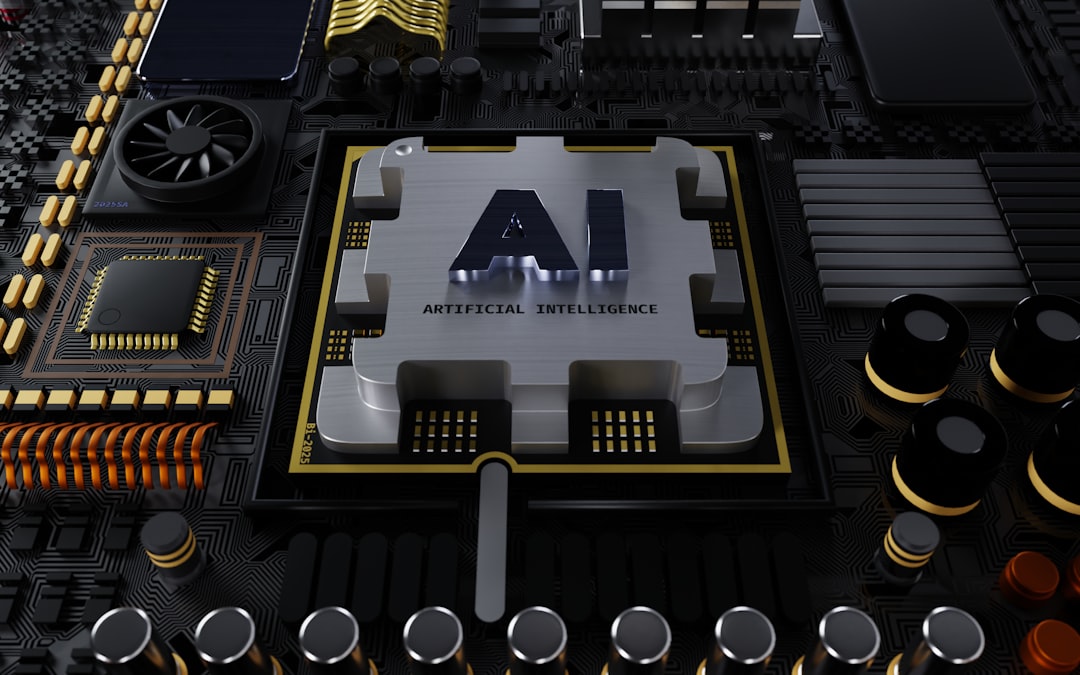
The gaming industry is on the cusp of a profound transformation, driven by the rapid integration of Generative Artificial Intelligence. This new wave of AI tools is fundamentally reshaping how games are conceived, designed, and brought to life, promising unprecedented efficiency and creative possibilities for developers of all scales.
Redefining Asset Creation and Development Timelines
At its core, generative AI in gaming refers to intelligent systems capable of automatically producing vast quantities of game content. This includes everything from intricate 3D models and detailed textures to sprawling environments, dynamic character sprites, engaging NPC dialogue, and entire procedurally generated worlds. Tools like Midjourney, Scenario.gg, and Leonardo.AI are proving instrumental, capable of reducing the time spent on asset creation by an astonishing 70-90%. This acceleration empowers solo developers to achieve AAA-quality output and allows studios to significantly slash development costs, potentially saving hundreds of thousands of dollars per project.
Empowering Developers with Advanced AI Tools
The current landscape boasts over 15 sophisticated AI tools tailored for game development. These range from platforms focused on concept art and character design, like Midjourney and Leonardo.AI, to specialized solutions for custom game asset generation such as Scenario.gg. For dynamic and intelligent Non-Player Characters (NPCs), Inworld AI offers advanced dialogue and personality systems, while Unity's integrated AI tools assist in level design and testing. Promethean AI and NVIDIA Canvas provide powerful environment generation capabilities, and established LLMs like ChatGPT Plus are invaluable for narrative and dialogue writing. The collective power of these tools streamlines workflows previously considered prohibitively time-consuming.
Revolutionizing Character Interaction and World Building
Beyond static assets, generative AI is infusing games with unprecedented dynamism. NPCs are evolving from predictable script-followers to intelligent entities capable of natural, memory-driven conversations and consistent personalities, thanks to tools like Inworld AI and NVIDIA ACE. This creates a more immersive and responsive player experience. Furthermore, AI-enhanced procedural generation techniques are moving beyond simple randomness to create infinitely unique, balanced, and engaging game worlds. These systems understand game design principles, ensuring that generated levels, dungeons, and environments are not only vast but also expertly crafted and playable.
Accelerating Narrative Design and Content Generation
The impact of generative AI extends deeply into the storytelling and quest design aspects of game development. AI writing assistants, including ChatGPT Plus and Sudowrite, can now generate intricate quest narratives, complex branching storylines, compelling character backstories, and detailed item descriptions. This capability allows for richer, more expansive game worlds with a depth of lore that would be challenging and time-consuming to produce manually. The ability to generate thousands of unique dialogue variations and narrative branches ensures that each player's journey can feel distinct and personalized.
Tangible Real-World Impact and ROI
Case studies from recent years highlight the dramatic real-world impact of these AI advancements. A solo indie developer reportedly created over 200 concept art pieces in a single week, a task that would traditionally take six months and cost nearly $30,000. Similarly, a small studio achieved an 80% reduction in environment design time, translating to savings of $160,000. Even AAA studios are leveraging AI for mass content generation, with one project producing 10,000 item icons and descriptions in a month, a task that would have previously taken six months and resulted in significant cost savings and accelerated development cycles.
Future Projections and Market Growth
Industry analysis from sources like Unity and Newzoo projects significant growth for AI in the gaming sector. By 2030, the AI gaming market is expected to expand substantially, with a growing percentage of game studios adopting AI tools across their development pipelines. This trend is fueled by the demonstrable benefits in efficiency, cost reduction, and the enablement of more ambitious game designs. The ability to iterate faster and explore more creative avenues will continue to drive adoption and innovation.
Navigating the Evolving Landscape
As generative AI becomes more integrated, developers are faced with new workflows and considerations. Comprehensive guides are emerging to help studios implement these tools effectively, covering everything from asset pipelines to AI-driven playtesting. Understanding the legal and ethical implications of AI-generated content is also becoming increasingly important, ensuring responsible development practices. The journey involves mastering new tools, adapting existing pipelines, and embracing AI as a collaborative partner in the creative process.
Conclusion: A New Era of Game Creation
Generative AI represents more than just a set of tools; it signifies a paradigm shift in game development. It democratizes the creation of high-fidelity games, reduces barriers to entry, and unlocks creative potential previously constrained by time and budget. As AI continues to evolve, its role in shaping the future of interactive entertainment will only become more pronounced, leading to richer, more diverse, and more accessible gaming experiences for all.
Source Insight: This report was curated based on original coverage from hashmeta.ai.
Explore Kri-Zek
📱 Altered Brilliance App
Download on Google Play · Watch the Trailer
📖 The Power of Gaming
Watch the Video
🤝 Connect With Us
Kri-Zek on LinkedIn · Founder on LinkedIn · Happenstance
📸 Follow Us on Instagram
@krizekster · @krizek.tech · @krizekindia