Badge
Mar 14, 2026
The Next Frontier Esports is Evolving Beyond Expectation
Esports is experiencing a dynamic surge, expanding across mobile platforms, embracing immersive VR tournaments, and inching closer to Olympic recognition. Traditional titles remain strong, but the future lies in adaptability and innovation.
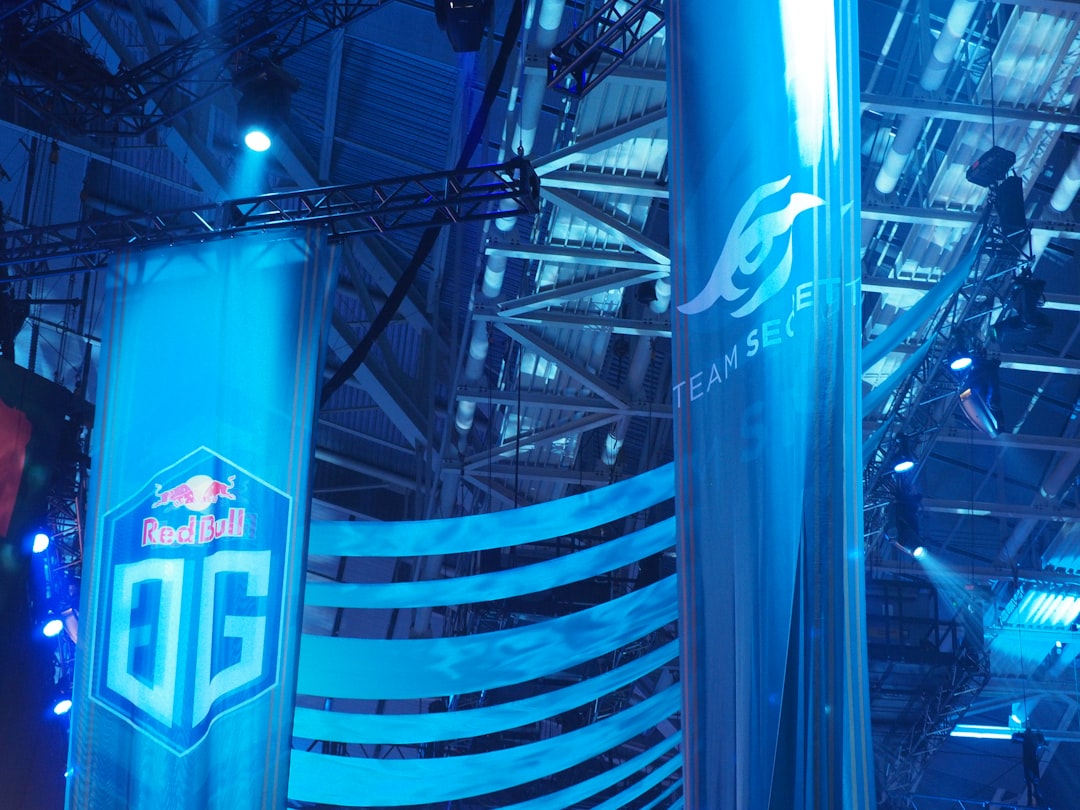
The esports ecosystem is poised for a significant transformation, moving beyond its established boundaries to embrace new frontiers. While titans like Counter-Strike continue to capture massive viewership, the landscape is rapidly diversifying with the explosive growth of mobile esports, the emergence of legitimate VR competitions, and serious strides toward Olympic integration. This multi-faceted evolution signals a maturing industry capable of captivating broader audiences and attracting unprecedented investment.
The Mobile Wave Redefines Accessibility
The dominance of mobile gaming in esports is no longer a niche trend but a fundamental shift. Titles like Mobile Legends: Bang Bang are drawing peak viewership numbers that rival, and often surpass, traditional PC esports events. This surge is primarily driven by unparalleled accessibility; mobile gaming removes the barrier of expensive high-end hardware, democratizing professional competition. With prize pools in major mobile tournaments, such as the PUBG Mobile World Cup, now comparable to established PC events, the talent pool is naturally following suit. This expansion is particularly pronounced in regions like Southeast Asia, Latin America, and India, where mobile gaming infrastructure is robust, creating a direct pathway for aspiring professionals and fostering massive fan bases.
VR Esports: From Novelty to Spectacle
Virtual Reality esports have transitioned from a curious experiment to a genuine competitive format. Organizations like the VR Master League are building the essential infrastructure, supporting diverse VR titles and offering tangible rewards. The critical turning point arrived as VR hardware became more affordable and streaming technology improved, allowing for higher fidelity broadcasts. Strategic partnerships, like the one between Resolution Games and VR Master League for Blaston esports, which involved bringing players to a live stage, have been instrumental in proving the viability of VR as a spectator sport. The potential for immersive, dynamic competition, coupled with growing interest from betting markets, suggests VR is set to carve out a significant niche.
Olympic Recognition Signals Mainstream Legitimacy
The International Olympic Committee's (IOC) formal plans for the Olympic Esports Games in 2027 mark a pivotal moment for esports. This is not a fleeting exhibition but a declaration of long-term intent, promising to imbue esports with a level of institutional validation previously reserved for traditional sports. The selection of future Olympic esports titles will increasingly lean towards accessibility, global reach, and alignment with Olympic values, likely favoring sports simulations and strategy games over more violent offerings. This institutional embrace is expected to accelerate standardization in areas such as competitive integrity, anti-doping, and governance, while simultaneously scaling up prize pools and infrastructure to unprecedented levels, mirroring major international sporting events. The IOC's involvement signals a profound shift in perception, attracting new waves of sponsors, governments, and established sports bodies, solidifying esports' permanent place on the global sporting stage.
Counter-Strike's Enduring Reign Amidst Diversification
Despite the explosive growth of new formats, the foundational pillars of esports remain strong. Counter-Strike continues to demonstrate remarkable resilience and popularity, consistently breaking viewership records and maintaining a dominant presence on streaming platforms. This enduring appeal highlights the loyalty of existing fan bases and the power of established competitive ecosystems. However, the future success of organizations will increasingly depend on their ability to navigate and integrate these diverse emerging trends – from the grassroots appeal of mobile gaming to the futuristic immersion of VR and the prestigious validation of Olympic inclusion. Those who can operate cohesively across multiple formats, platforms, and regions will be best positioned to thrive in this dynamic new era of competitive gaming.
The convergence of accessible mobile platforms, immersive VR experiences, and formal Olympic recognition signifies a profound evolution for esports. As the industry matures, it sheds its nascent image, embracing a sophisticated and multifaceted future. This expansion promises not only broader appeal but also greater legitimacy, attracting significant investment and fostering new avenues for global participation. The coming years will witness esports solidifying its position as a major player on the international sports and entertainment stage, driven by innovation and a commitment to inclusivity. This journey requires adaptability, strategic foresight, and an understanding of the psychological drive that underpins competitive engagement, ensuring the ongoing 'altered brilliance' of this rapidly growing field.
Source Insight: This report was curated based on original coverage from sportsepreneur.com.
Explore Kri-Zek
📱 Altered Brilliance App
Download on Google Play · Watch the Trailer
📖 The Power of Gaming
Watch the Video
🤝 Connect With Us
Kri-Zek on LinkedIn · Founder on LinkedIn · Happenstance
📸 Follow Us on Instagram
@krizekster · @krizek.tech · @krizekindia