Badge
Jun 5, 2026
The Symbiotic Dance of Pixels and Prose in Modern Gaming
Explore how stunning visual artistry and intricate narrative design merge to create the deeply immersive experiences that define modern video games.
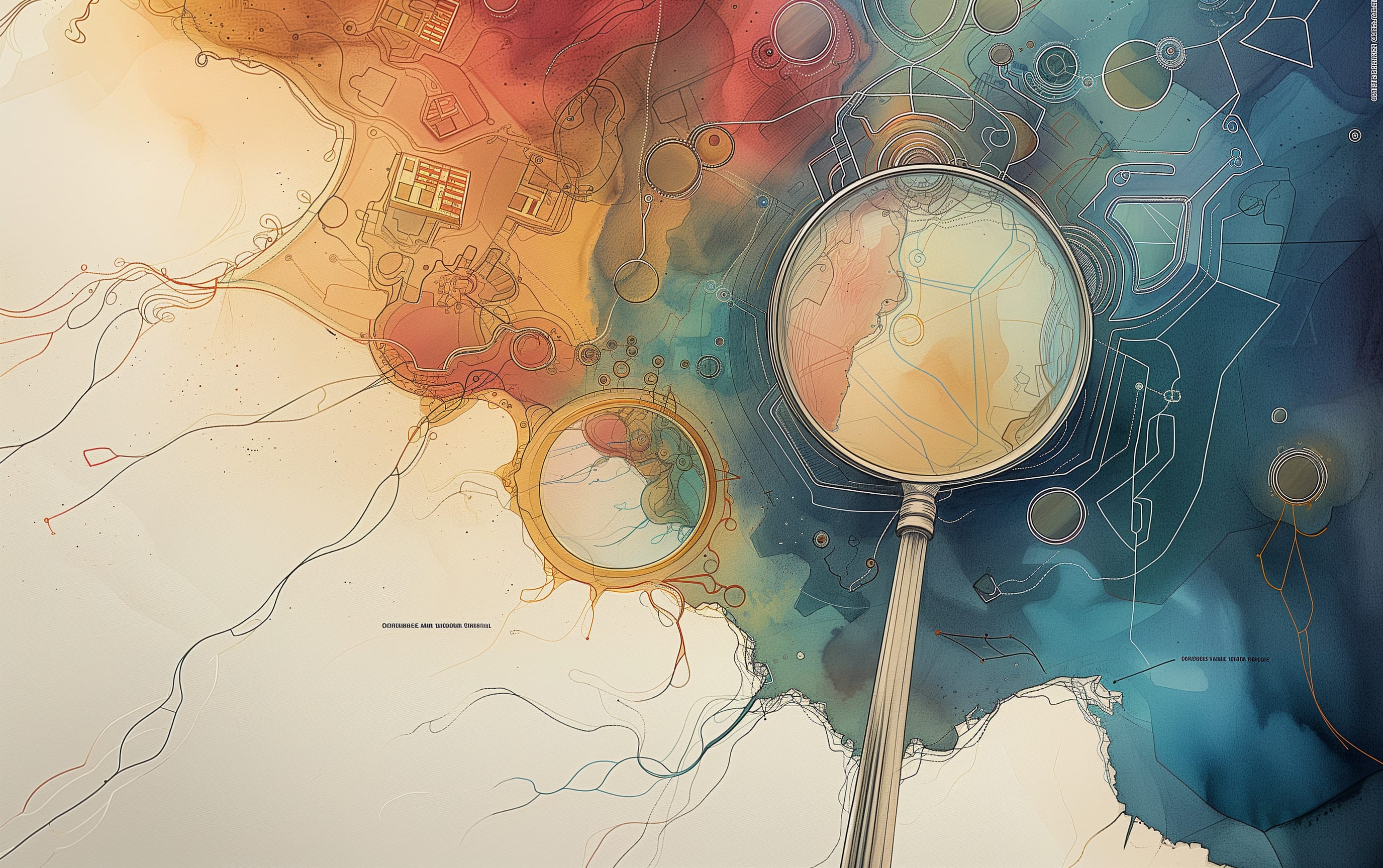
Modern video games have transcended their origins as simple pastimes to become sophisticated art forms, deeply engaging players through a potent blend of visual splendor and compelling storytelling. The evolution of game art and narrative design showcases a remarkable symbiosis, where aesthetic brilliance and thematic depth work in concert to forge interactive worlds that captivate the imagination and stir the emotions. This convergence is not merely about pretty graphics; it's about crafting experiences that resonate on a profound level, making games one of the most immersive and engaging forms of contemporary art.
The Genesis of Digital Storytelling
While traditional art circles may have once viewed video games with skepticism, the 21st century has firmly established them as a legitimate artistic medium. The foundational elements of game art and narrative design, present even in early gaming, have been exponentially expanded by technological advancements. Today's game designers leverage these tools to create environments and characters that not only entertain but also evoke emotion and drive narrative, offering players a richer, more resonant experience.
Defining the Pillars of Game Experience
Game art is now recognized as a distinct contemporary art form, utilizing video game platforms for its expression. It encompasses environmental storytelling, emotive graphics, and artistic execution to deliver a holistic experience that is as intellectually stimulating as it is visually arresting. Complementing this is narrative design, which focuses on how the story is conveyed through the game's environment and mechanics. Rather than simply outlining a plot, effective narrative design often begins by posing fundamental questions that shape the player's journey and understanding of the game world.
Art as the Unspoken Narrator
Historically, art has served as a powerful conduit for expressing emotions, and this principle is central to interactive storytelling in games. Modern game artists employ a sophisticated suite of digital tools to craft characters brimming with lifelike emotions and environments so immersive they feel tangible. These visual elements are not mere decoration; they are integral to the narrative, shaping the player's perception, influencing their emotional responses, and ultimately, driving the progression of the story.
Visual Language and Narrative Momentum
The effectiveness of storytelling in video games relies heavily on a diverse palette of visual techniques. These methods, ranging from subtle environmental cues to dramatic character animations, work in tandem to establish mood, tone, and atmosphere. The artistic direction and execution are paramount, as they directly influence the player's engagement and interpretation of the unfolding narrative, making the visual aspects as crucial as the written dialogue or plot points.
Crafting Worlds and Characters
At the heart of compelling game narratives lie meticulously designed characters and richly realized environments. Character development is a complex process, demanding artists to conceptualize and render figures that are not only visually distinct but also believable within their narrative context. Similarly, environmental design is critical for environmental storytelling, setting the stage and providing the backdrop against which the story unfolds. Artists must consider the narrative journey and the characters' roles when constructing these spaces, often employing a variety of art styles to achieve the desired effect.
The Power of Collaboration
Creating these intricate game worlds and narratives is rarely a solo endeavor. Collaborative game development is the norm, with art and narrative teams working in concert to ensure a cohesive vision. This synergy allows artists to inform the narrative while storytellers ensure that artistic choices enhance the thematic goals. Integrated development workflows, where various disciplines work concurrently rather than sequentially, are essential for maintaining art direction consistency and maximizing the impact of both visual and narrative elements.
Technological Frontiers
Advancements in technology have dramatically reshaped the landscape of game art and narrative design. Powerful digital tools and engines now empower artists to create photorealistic graphics and expansive virtual worlds that blur the lines between the digital and the real. Emerging technologies like artificial intelligence (AI) and virtual reality (VR) further amplify the potential for immersive storytelling, demanding high-fidelity graphics and sophisticated environmental design to truly draw players into the experience.
Navigating the Creative Crossroads
Despite the synergistic relationship, the intersection of art and narrative can present challenges. Balancing artistic ambition with narrative requirements, ensuring that visual elements serve the story without overwhelming it, requires careful negotiation. Overcoming narrative constraints also demands close communication; if narrative pacing limits artistic freedom, a dialogue with the narrative team is crucial to find a harmonious balance that benefits the overall player experience.
Source Insight: This report was curated based on original coverage from rmcad.edu.
Explore Kri-Zek
📱 Altered Brilliance App
Download on Google Play · Watch the Trailer
📖 The Power of Gaming
Watch the Video
🤝 Connect With Us
Kri-Zek on LinkedIn · Founder on LinkedIn · Happenstance
📸 Follow Us on Instagram
@krizekster · @krizek.tech · @krizekindia