Badge
May 31, 2026
The Therapeutic Frontier of Gaming in Children's Hospitals
Discover how video games are moving beyond entertainment in children's hospitals. This report details their proven impact on patient outcomes and the rise of specialized therapeutic gaming programs.
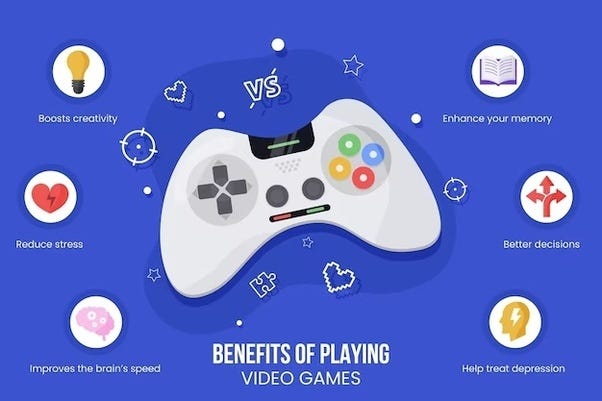
The integration of video games into pediatric healthcare has rapidly evolved from simple distraction to sophisticated therapeutic interventions, fundamentally reshaping the patient experience. As of 2026, therapeutic gaming programs are demonstrably impacting young patients' emotional, psychological, and physical well-being, showing measurable improvements in pain management, medication use, and overall mental health.
The Evolution: From Playroom Pastime to Clinical Tool
Early integration, primarily from 2003-2015, was driven by charitable efforts like Child’s Play Charity, which donated consoles and games. While these initiatives provided crucial entertainment and a much-needed escape for children facing lengthy hospital stays, the approach was largely informal. Gaming was seen as an amenity, not a core component of care. However, early research began to hint at broader potential, suggesting that the interactive nature of video games could positively influence pain perception and procedural compliance.
Professionalization and Evidence-Based Integration
The period between 2016 and 2020 marked a significant shift towards professionalization and clinical integration. The establishment of dedicated therapeutic gaming specialist roles, pioneered by institutions like Seattle Children's Hospital, transformed how gaming was implemented. These specialists not only managed equipment and patient engagement but also collaborated with medical teams to align gaming with treatment plans and systematically collect outcome data. This shift from ad-hoc access to structured programming proved vital in demonstrating tangible benefits.
Measurable Impact on Patient Outcomes
This 2026 benchmark report highlights compelling statistics from a diverse range of studies and hospital programs. Findings reveal significant patient-reported pain score reductions of 1.6-2.3 points and an average decrease of seven daily morphine boluses among pediatric patients engaging with therapeutic gaming. Furthermore, modest yet significant improvements have been observed in symptoms associated with ADHD and depression, with an effect size of .28 in both conditions. Crucially, 70% of participants reported enhanced happiness and reduced anxiety.
Expanding Reach and Specialization
The growth in specialized roles is staggering, with estimates suggesting 50-60 therapeutic gaming specialists now working in hospitals, a stark contrast to fewer than five professionals in this capacity as recently as 2018. This expansion signifies a growing recognition of therapeutic gaming as a vital allied health discipline. The research methodology underpinning these findings is robust, drawing from peer-reviewed medical journals, operational data from leading children's hospitals, and grant program analytics.
The Technology Underpinning Therapeutic Engagement
Modern therapeutic gaming leverages advanced interactive technologies. Touchscreen solutions, ranging from wall-mounted displays to floor kiosks, offer intuitive and responsive interfaces tailored for young patients, even those with limited mobility. These platforms are designed for ease of use, requiring minimal setup – typically just a power outlet and an internet connection – while ensuring content is automatically responsive across various screen sizes and orientations. Live examples demonstrate the seamless integration and engaging nature of these digital platforms.
Future Directions and Broader Implications
The success of therapeutic gaming programs underscores a broader trend in healthcare: the increasing use of technology to enhance patient experience and support recovery. As research continues to validate these benefits, we can anticipate further integration of gaming into treatment protocols for a wider range of conditions and age groups. The focus is shifting towards personalized gaming experiences that cater not just to entertainment, but to specific therapeutic goals, pain management strategies, and psychological support.
Conclusion: A New Era in Pediatric Care
Therapeutic gaming is no longer a novel experiment but a proven, indispensable component of modern pediatric healthcare. The data from 2026 paints a clear picture of its efficacy in improving patient outcomes, reducing reliance on pain medication, and significantly enhancing the emotional well-being of hospitalized children. The continued growth and professionalization of this field promise even greater advancements in leveraging the power of play for healing.
Source Insight: This report was curated based on original coverage from halloffamewall.com.
Explore Kri-Zek
📱 Altered Brilliance App
Download on Google Play · Watch the Trailer
📖 The Power of Gaming
Watch the Video
🤝 Connect With Us
Kri-Zek on LinkedIn · Founder on LinkedIn · Happenstance
📸 Follow Us on Instagram
@krizekster · @krizek.tech · @krizekindia