Badge
Mar 17, 2026
The Unseen Toll Recreational Gaming Can Take on Mental Well-being
While recreational esports are often seen as a harmless pastime, a new study reveals a significant link between problematic internet use and negative mental health outcomes in adult gamers.
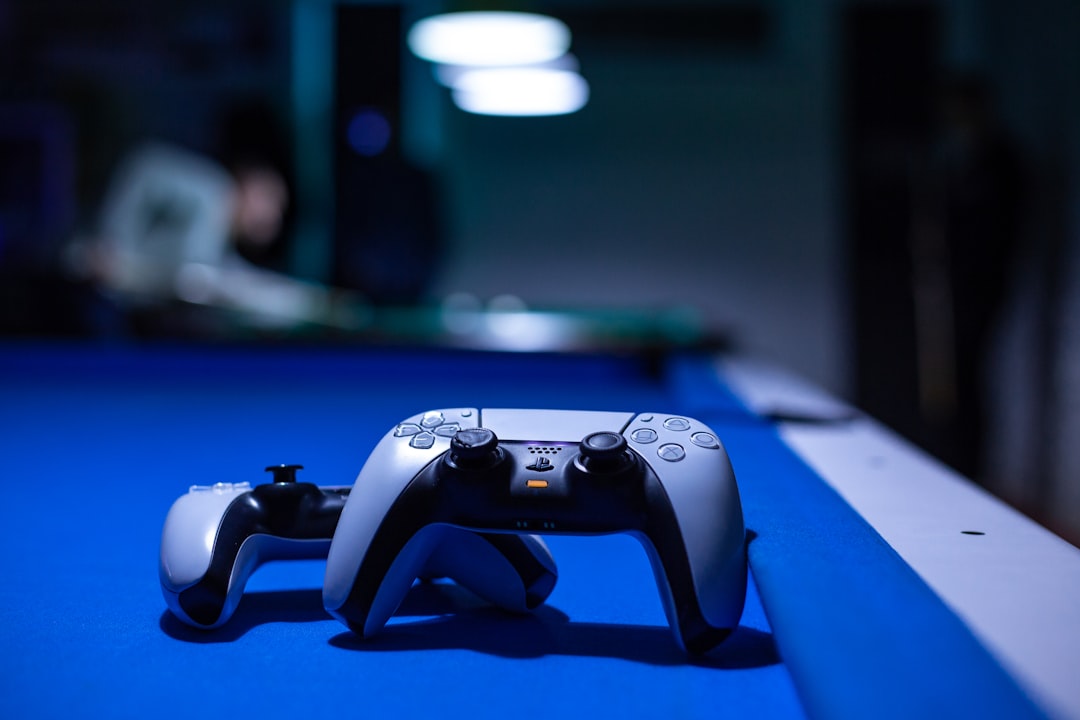
While the vibrant world of esports often conjures images of thrilling competition and passionate communities, a recent study published in Frontiers in Public Health sheds light on a less-discussed aspect: the potential mental health risks associated with recreational gaming. The research, focused on adult Hungarian esports players, found that problematic internet use (PUI) is significantly associated with several adverse mental health outcomes, challenging the perception of gaming as solely a stress-relieving hobby.
The Growing Landscape of Recreational Esports
Esports, broadly defined as competitive video gaming in organized tournaments, encompasses a wide spectrum from professional leagues to casual play. Recreational esports, in particular, focuses on enjoyment, community, and skill development rather than high-stakes careers. This includes participation in online or local tournaments, university clubs, or social gaming groups. These activities can foster teamwork, enhance social interaction, and provide a structured yet flexible way to engage with gaming, potentially contributing to a healthier work-life balance and reducing isolation often experienced by professional gamers.
When Hobbies Become Hazards: Understanding Problematic Internet Use
Despite its potential benefits, recreational gaming can sometimes lead to problematic internet use (PUI). PUI, characterized by excessive or unhealthy internet engagement that negatively impacts daily life, is often referred to as internet addiction or compulsive use. While no universally accepted classification exists beyond online gaming and gambling, PUI can manifest in various forms, affecting an individual's work, relationships, and overall mental and physical health. Studies suggest that PUI can affect a significant portion of the general population, with higher rates observed among adolescents and young adults.
Unpacking the Associations: PUI and Mental Health
The study surveyed 2,313 participants using validated questionnaires to assess PUI, burnout, depression, insomnia, and quality of life. The findings indicated that a substantial portion of respondents (19.9%) exhibited signs of excessive internet use. Crucially, PUI was found to be significantly linked to emotional exhaustion, moderate to severe depression, severe insomnia, and reduced self-sufficiency as measured by quality of life indicators.
The Psychological Underpinnings of PUI
The development of PUI is likely multifaceted, involving a complex interplay of psychological, social, and technological factors. Psychological predispositions such as low self-esteem, impulsivity, and poor self-control can make it harder to regulate online time. Individuals with existing mental health issues like anxiety or depression may also turn to the internet as a form of escapism. Socially, a lack of real-life connections or loneliness can drive individuals to seek companionship online, while peer influence and a lack of engaging offline activities can further contribute to excessive usage. Technological factors, including the pervasive algorithms designed to maximize user engagement on social media and gaming platforms, also play a significant role.
Beyond the Game: Broader Implications for Well-being
Burnout, often described as a state of emotional, physical, and mental exhaustion due to prolonged stress, can also be exacerbated by excessive engagement in demanding activities, including gaming. While not formally classified as a medical condition, burnout is closely associated with various mental and somatic disorders. The study's robust statistical model, which demonstrated good fit and strong explanatory power, underscores the significant association between PUI and negative mental health outcomes in recreational gamers. These results highlight that the immersive nature of digital entertainment, when unchecked, can lead to substantial psychological strain.
A Call for Awareness and Prevention
These findings suggest a critical need for greater awareness regarding the potential downsides of recreational internet and gaming activities. The research team emphasizes the importance of developing and implementing preventive strategies specifically targeting PUI in adult populations who engage in digital entertainment. This proactive approach is essential to ensure that the benefits of online gaming and community do not come at the expense of gamers' mental health.
Navigating the Digital Frontier Responsibly
As our lives become increasingly intertwined with the digital world, understanding the nuanced relationship between online engagement and mental well-being is paramount. Recreational esports and gaming, while offering valuable social and recreational outlets, must be approached with an awareness of potential risks. By fostering open dialogue, promoting healthy digital habits, and providing accessible support, we can help ensure that gaming remains a source of enjoyment and connection, rather than a contributor to distress.
Source Insight: This report was curated based on original coverage from public-pages-files-2025.frontiersin.org.
Explore Kri-Zek
📱 Altered Brilliance App
Download on Google Play · Watch the Trailer
📖 The Power of Gaming
Watch the Video
🤝 Connect With Us
Kri-Zek on LinkedIn · Founder on LinkedIn · Happenstance
📸 Follow Us on Instagram
@krizekster · @krizek.tech · @krizekindia