Badge
Mar 25, 2026
The Vibe Coding Revolution: AI's Ascendance in Software Development
Discover how 'vibe coding' is redefining development in 2026. AI-driven tools now translate intuitive descriptions into complex code, transforming developer workflows and accelerating innovation.
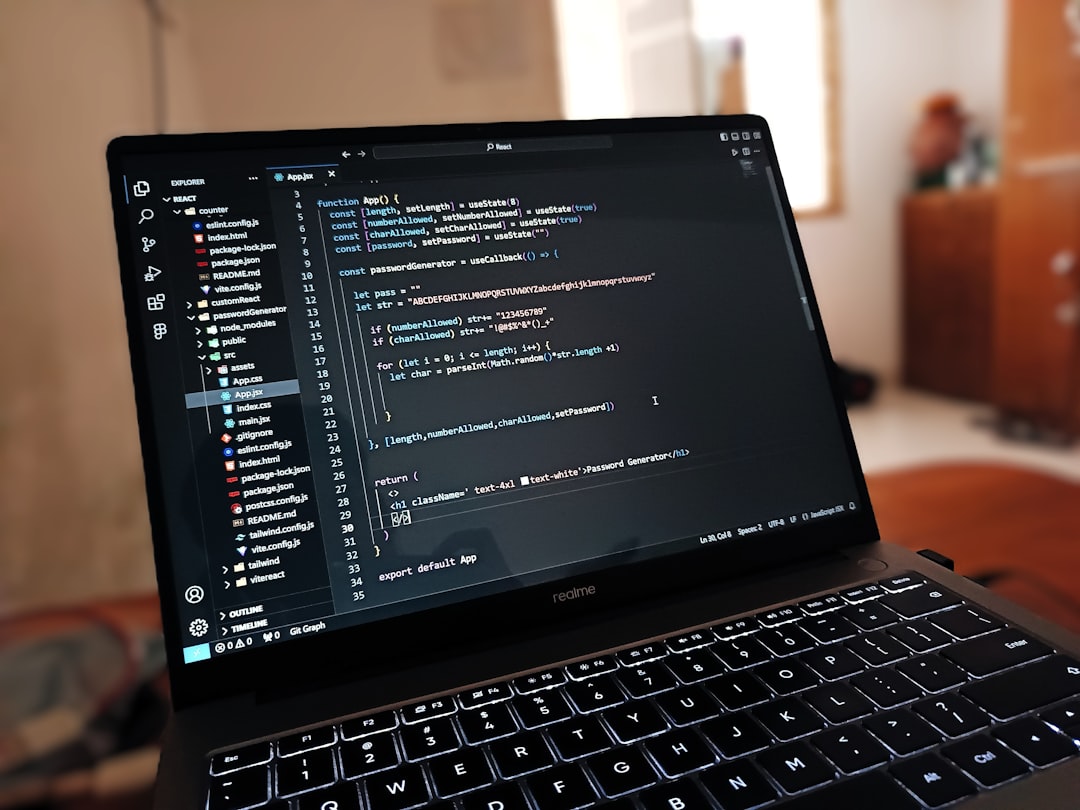
The landscape of software development has undergone a seismic shift, ushering in an era of "vibe coding" by 2026. This new paradigm moves beyond traditional coding practices, embracing intuitive, AI-driven workflows where developers articulate their intentions through natural language prompts. Imagine describing your desired outcome—such as building a responsive dashboard with dark mode and real-time data visualization—and having intelligent agents handle the intricate and time-consuming aspects of implementation. This evolution signifies a departure from repetitive boilerplate code, enabling developers to achieve a heightened state of flow and productivity, amplified by the power of advanced Large Language Models (LLMs) like Claude 4.6 and GPT-5.4.
At its core, vibe coding represents a fusion of natural language understanding, sophisticated multi-agent orchestration, and seamless integration with existing Integrated Development Environments (IDEs) and terminals. Tools such as Cursor's file-aware agents and Windsurf's cascade pipelines exemplify this trend. These systems possess the remarkable ability to comprehend entire codebases, predict developer intent with uncanny accuracy, and iterate on solutions autonomously. While early iterations in 2024 focused on enhanced autocompletion, today's vibe coding tools are adept at handling complex tasks like full-stack scaffolding, intricate code refactoring, and even deployment processes. The adoption rate has soared, with an estimated 70% of professional developers now leveraging these tools, drastically reducing prototype development times from days to mere hours.
The technological advancements underpinning this revolution are significant. Claude 4.6 has demonstrated an impressive 80.8% success rate on the SWE-Bench benchmark for code refactoring, while GPT-5.4 boasts a 77% success rate on Terminal-Bench for agentic tasks. The proliferation of powerful open-source models, such as Llama 4.1, further democratizes access, allowing for robust local deployments and fostering innovation within the developer community.
Among the leading platforms transforming this space, Cursor stands out as an AI-native IDE. Its "Composer" mode redefines multi-file collaboration, enabling agents to plan and execute complex refactors akin to a senior developer, yielding an average task speed increase of 55%. Claude Code, powered by Claude 4.6 Opus, offers unparalleled code quality, dominating coding benchmarks with its self-correction capabilities. Windsurf excels in orchestrating complex workflows through cascade agents, streamlining the process from design to testing, making it ideal for full-stack prototypes.
Other notable tools include v0 by Vercel, which rapidly generates UI components and backends from simple prompts, and Lovable, a no/low-code platform that translates English descriptions into full-stack applications, making development accessible to a broader audience. Bolt.new offers stack-agnostic flexibility, instantly executing code with WebContainers, while Replit Agent provides a browser-based, deploy-anywhere environment for rapid scaffolding and testing. For mobile development, Rork / VibeCode caters to consumer app creation, and Base44 offers a no-code pathway to production-ready UIs.
Tools like Warp are redefining the terminal experience, integrating AI with "vibe commands" to automate complex DevOps tasks and manage cloud environments efficiently. These platforms collectively empower developers to concentrate on creative problem-solving rather than mundane coding tasks. The integration of AI is not merely about speed; it's about augmenting human ingenuity and fostering a more dynamic and fulfilling development process. As these tools mature, they promise to further democratize software creation and push the boundaries of what's technically feasible.
Benchmarks highlight the tangible impact of these AI assistants. Multi-file edits are now handled with remarkable efficiency by platforms like Cursor and Windsurf, often surpassing the capabilities of junior developers. Full-stack scaffolding and the generation of bug-free code have become significantly faster, with tools like Replit and v0 averaging under five minutes for completion. Local execution of models is also increasingly viable, with low latency achieved on modern hardware, making advanced AI accessible even without robust cloud infrastructure.
The collaborative potential of these tools is immense. They facilitate faster open-source contributions, enable rapid iteration on personal projects, and streamline the development of complex applications. By reducing the friction associated with coding, AI assistants are not just improving efficiency but are fundamentally reshaping the developer experience, making it more engaging, creative, and ultimately, more brilliant.
Source Insight: This report was curated based on original coverage from medium.com.
Explore Kri-Zek
📱 Altered Brilliance App
Download on Google Play · Watch the Trailer
📖 The Power of Gaming
Watch the Video
🤝 Connect With Us
Kri-Zek on LinkedIn · Founder on LinkedIn · Happenstance
📸 Follow Us on Instagram
@krizekster · @krizek.tech · @krizekindia