Badge
Apr 22, 2026
Unlocking Adolescent Mental Wellness Through Strategic Game Design
A deep dive into how serious games are designed to support adolescent mental health, analyzing the crucial elements of transfer, boundary crossing, and reality models.
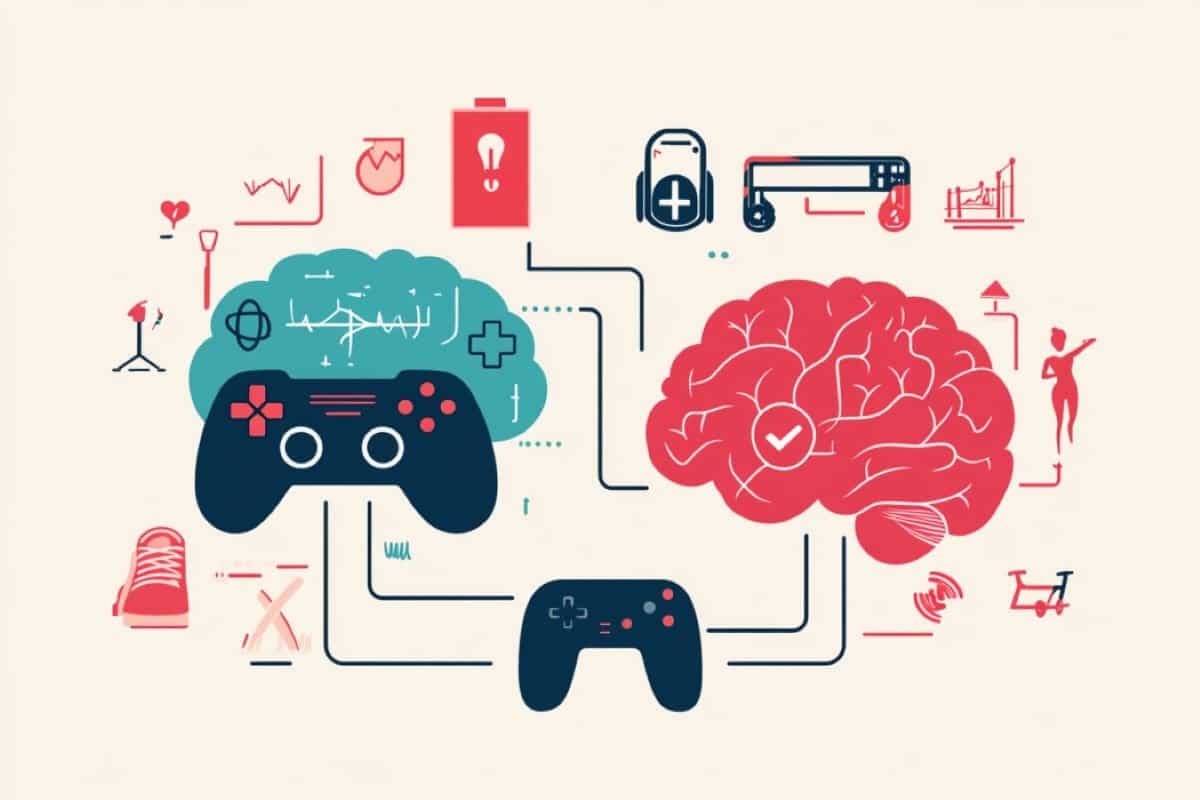
In the ever-evolving landscape of adolescent well-being, serious games are emerging as potent allies, offering engaging pathways for emotional regulation, skill development, and behavioral transformation. A recent systematic review published in JMIR Serious Games sheds light on the intricate research design processes behind these digital interventions, specifically focusing on their application in adolescent mental health care. The study highlights that while the therapeutic potential of games is widely acknowledged, the underlying theoretical frameworks guiding their creation are not always explicitly articulated.
The Power of Play in Therapeutic Contexts
Adolescence is a pivotal period characterized by significant identity exploration and skill acquisition, with video games often serving as a primary medium for these experiences. Recognizing this, serious games are intentionally crafted to harness the inherent engagement of play for therapeutic and educational aims. They provide structured environments where young individuals can practice crucial life skills, from managing emotions to enhancing problem-solving abilities, making them a valuable addition to traditional mental health support systems. The accessibility of digital interventions further extends the reach of psychological care to those who might otherwise face barriers to traditional therapy.
Deconstructing Game Design for Mental Health Outcomes
This systematic review meticulously examined 33 studies to understand how serious games are designed to foster learning and achieve positive mental health outcomes in adolescents. The research delves into three critical design constructs: transfer (the ability for learning in the game to apply to real-world situations), boundary crossing (mechanisms that bridge the gap between the game world and reality), and models of reality (how the game represents real-world concepts and mechanics). Clarifying these elements is essential for understanding the efficacy of game-based learning and its seamless integration into clinical practice.
Key Design Elements Revealed
The findings indicate that figural transfer, where game mechanics or situations resemble real-world ones, was present in a significant majority of the reviewed studies (24 out of 33). Literal transfer, where game elements directly map to real-world applications, was less common but still present in 10 studies. In terms of boundary crossing, reflection emerged as the most frequently utilized mechanism, appearing in 22 studies, suggesting that games often encourage players to think about their in-game experiences and relate them to their lives. Transformation, a more profound integration where game experiences lead to a change in understanding or perspective, was observed in fewer studies (3).
Representing Reality in Game Design
When it came to models of reality, causal and procedural models—focusing on 'how things work'—were most commonly employed. Relational and structural models, which explore 'how things connect' or 'the underlying systems', were more often integrated as secondary design components. This suggests a tendency for serious games to focus on teaching specific actions or cause-and-effect relationships, rather than the broader, interconnected systems that often influence mental health.
Implicit vs. Explicit Design Rationales
A notable observation from the review is that the explicit design rationales behind these choices were infrequently reported. This implies that while the theoretical underpinnings of transfer, boundary crossing, and models of reality are often embedded within the game design, they are not always clearly articulated by the researchers or developers. This lack of explicit documentation can pose challenges for replication and for understanding precisely why certain designs are effective.
Implications for Future Development
The review concludes that serious games for adolescent mental health predominantly foster reflective and representational learning. The theoretical constructs are often implicitly woven into the fabric of the game rather than being a declared focus. The authors propose an analytical framework that can aid designers, researchers, and healthcare professionals in making these design choices more explicit, thereby ensuring a stronger alignment between game mechanics, intended learning outcomes, and real-world applicability.
Towards More Effective Interventions
This research underscores the need for a more systematic and transparent approach to designing serious games for mental health. By explicitly considering and documenting how constructs like transfer, boundary crossing, and models of reality are incorporated, developers can create more potent and effective interventions. This move towards clarity will not only enhance the therapeutic impact of these games but also facilitate their broader adoption and integration into standard mental health care practices for adolescents, ultimately contributing to improved well-being and resilience.
Bridging the Digital Divide in Care
As technology continues to permeate every aspect of adolescent life, leveraging serious games presents a significant opportunity to innovate mental health support. The findings from this review serve as a crucial roadmap, guiding the development of future games that are not only engaging but also theoretically sound and demonstrably effective in translating in-game progress to tangible improvements in real-world mental wellness.
Source Insight: This report was curated based on original coverage from games.jmir.org.
Explore Kri-Zek
📱 Altered Brilliance App
Download on Google Play · Watch the Trailer
📖 The Power of Gaming
Watch the Video
🤝 Connect With Us
Kri-Zek on LinkedIn · Founder on LinkedIn · Happenstance
📸 Follow Us on Instagram
@krizekster · @krizek.tech · @krizekindia