Badge
Mar 24, 2026
Unlocking the Flow State in Gaming The Science Behind Peak Performance and Immersion
Dive into the science of 'flow'—the ultimate gaming immersion. Discover how games leverage psychological and neurological triggers to keep you in the zone, enhancing both performance and enjoyment.
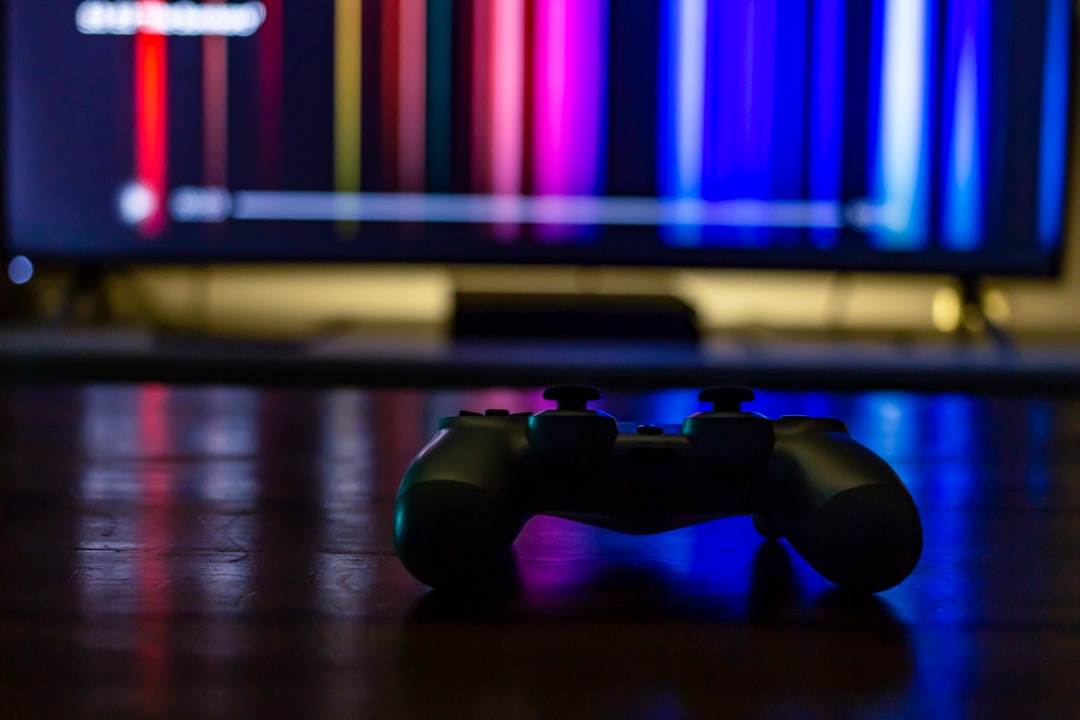
The elusive state of 'flow,' often described as being 'in the zone,' represents a pinnacle of human experience where complete absorption in an activity leads to profound enjoyment and a sense of effortless performance. First conceptualized by Mihaly Csikszentmihalyi, this state is a cornerstone of optimal engagement, particularly within the realm of video games, where designers actively strive to cultivate and maintain it.
The Anatomy of Flow
Csikszentmihalyi's groundbreaking work identified nine key components that facilitate the flow experience. These include a delicate balance between skill and challenge, clear goals, immediate feedback, the merging of action and awareness, high concentration, a sense of control, loss of self-consciousness, a loss of the sense of time, and an autotelic experience (activity pursued for its own sake). While the first three are considered antecedents—conditions that help initiate flow—the latter six are characteristics of the state itself. The skill-challenge balance is particularly crucial; tasks too difficult lead to frustration, while those too easy result in boredom, both deviations from the optimal 'flow channel.'
Video Games as Flow Inducers
Video games have emerged as powerful catalysts for achieving flow. Their inherent design—offering dynamic challenges, clear objectives, and constant feedback—aligns remarkably well with the conditions necessary for entering this optimal state. Researchers have increasingly focused on understanding the peripheral-physiological and neural correlates of this immersion, seeking to pinpoint the biological underpinnings of what makes gameplay so captivating.
Physiological Markers of Immersion
Studies exploring the physiological signs of flow reveal a complex picture. While a unified neurophysiological signature remains elusive, certain patterns are emerging. Arousal levels, often measured through heart rate and galvanic skin response, tend to be elevated but not overwhelming, indicating a state of focused energy. This heightened arousal, when optimally balanced with task demands, is critical for sustained attention and performance.
Neural Underpinnings of Flow
On the neural front, research points towards alterations in brain activity associated with attention and cognitive control. The prefrontal cortex, responsible for executive functions, shows dynamic changes, often indicating a shift towards more automatic processing and reduced self-referential thought. This aligns with the subjective experience of losing self-awareness and time.
Attention Control and Cognitive Load
A key aspect of flow is attention control. During flow, the brain becomes highly efficient at filtering distractions and focusing cognitive resources on the task at hand. This is often associated with specific patterns of neural activity, suggesting a sophisticated interplay between attentional networks that facilitates deep concentration.
Reward Processing and Motivation
The inherent enjoyment and intrinsic motivation associated with flow are strongly linked to the brain's reward processing systems. Neurochemical releases, particularly dopamine, play a significant role in reinforcing the engaging activity, making it feel intrinsically rewarding and encouraging continued participation.
The Automaticity Connection
As players become deeply immersed, actions begin to feel almost automatic. This phenomenon, known as automaticity, is reflected in neural processes where familiar tasks require less conscious effort. This allows cognitive resources to be freed up for higher-level engagement with the game's evolving challenges.
Self-Referential Processing and Flow
Another hallmark of flow is the reduction in self-referential processing. The intense focus on the external task diminishes the tendency for the mind to wander or engage in self-critical thoughts. This contributes to the feeling of uninhibited action and the pure enjoyment of the activity itself.
Towards a Unified Understanding
Despite the diverse results across studies, a composite picture of flow's correlates is beginning to form. The integration of arousal, attention control, reward mechanisms, automaticity, and altered self-referential processing provides a scientific basis for understanding why games can be such potent tools for inducing this deeply satisfying state. Further research promises to refine our understanding, potentially informing game design for enhanced player well-being and engagement.
Source Insight: This report was curated based on original coverage from pmc.ncbi.nlm.nih.gov.
Explore Kri-Zek
📱 Altered Brilliance App
Download on Google Play · Watch the Trailer
📖 The Power of Gaming
Watch the Video
🤝 Connect With Us
Kri-Zek on LinkedIn · Founder on LinkedIn · Happenstance
📸 Follow Us on Instagram
@krizekster · @krizek.tech · @krizekindia