Badge
Apr 12, 2026
Unlocking the Mind The Philosophical Foundations of Gaming
Dive into the deep end of philosophical inquiry that shapes our understanding of games.
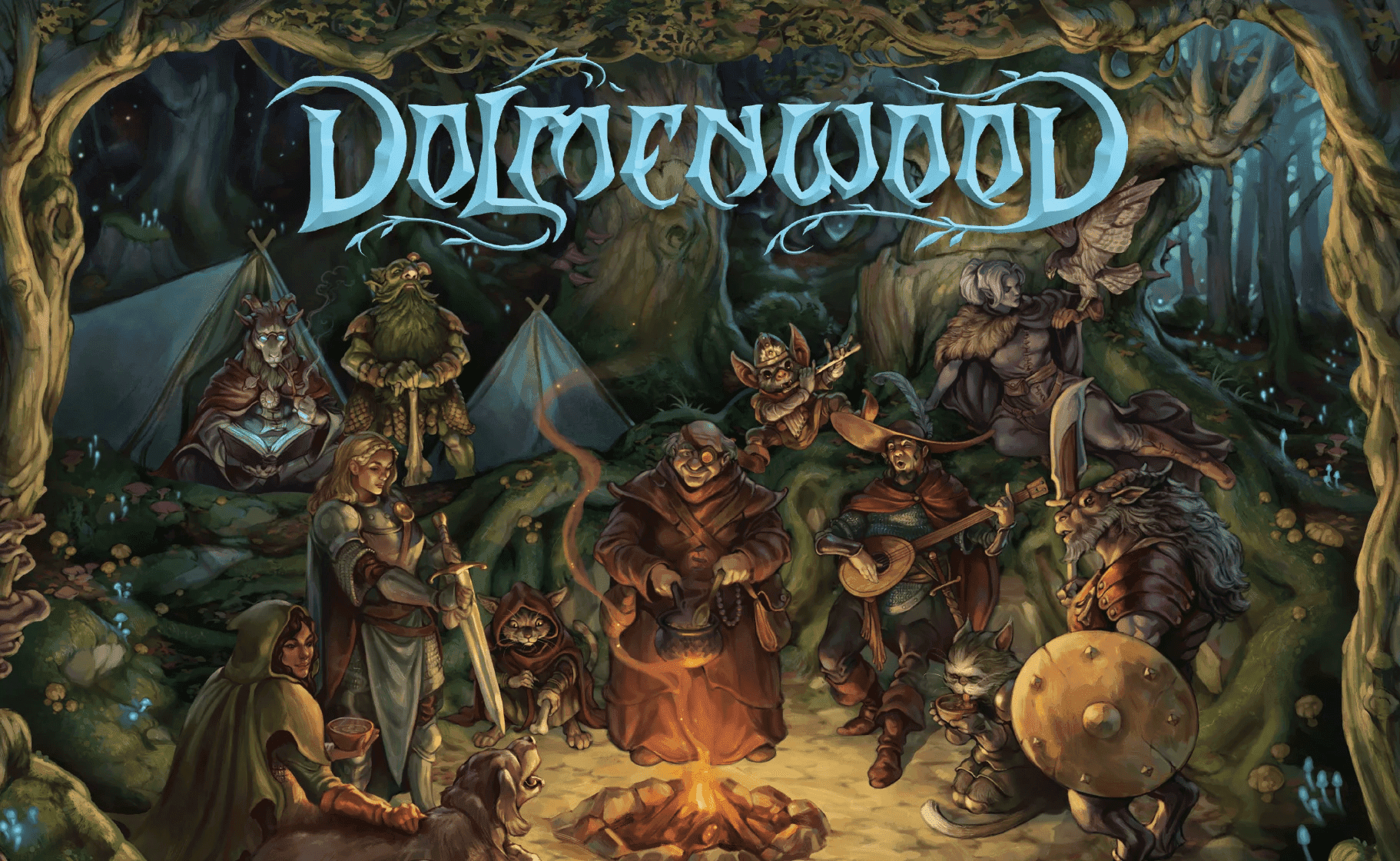
Philosophy, often perceived as an abstract academic discipline, is in fact deeply interwoven with the very fabric of our engagement with video games. The College of DuPage's philosophy course offerings provide a fascinating lens through which to examine the intellectual underpinnings of the interactive worlds we explore and the decisions we make within them.
The Core Questions of Existence
At the heart of philosophical study lies the exploration of fundamental questions about existence, knowledge, values, reason, mind, and language. When we consider a game like The Witcher 3: Wild Hunt, for instance, we are not merely witnessing a narrative unfold; we are often confronted with complex ethical dilemmas. Geralt's choices, whether to intervene in a dispute or maintain neutrality, directly engage with concepts of free will and determinism, and the weight of personal identity as his actions shape his destiny and the world around him.
Navigating Ethical Landscapes
Courses such as "Ethics" (PHILO 1110) and its specialized branches like "Biomedical Ethics" (PHILO 1112), "Business Ethics" (PHILO 1114), and "Environmental Ethics" (PHILO 1116) offer frameworks for understanding the moral quandaries presented in games. Many games demand players make difficult choices with far-reaching consequences. Consider the moral calculus in Mass Effect or the societal implications explored in Deus Ex. These scenarios are not just plot devices; they are interactive thought experiments that invite players to grapple with ethical theories, from utilitarianism to deontology, and their real-world applicability.
The Power of Reason and Logic
"Logic" (PHILO 1120) and "Critical Thinking" (PHILO 1125) are perhaps the most directly applicable to gameplay. Success in many strategy games, puzzle games, and even complex RPGs hinges on a player's ability to analyze situations, identify patterns, and employ sound reasoning. Understanding logical fallacies can help players dissect game mechanics, predict opponent strategies, and make more informed decisions. The art of analyzing formal and informal reasoning is a skill honed not just in classrooms but on virtual battlefields.
Societal Structures and Belief Systems
"Social and Political Philosophy" (PHILO 1130) and "World Religions" (PHILO 1150) delve into the grand narratives and societal structures that often form the backdrop of our gaming experiences. Whether exploring utopian ideals, dystopian societies, or the clash of ideologies, these courses provide context for the worlds developers create. The underlying assumptions about governance, justice, and community in games like Civilization or Cyberpunk 2077 can be better understood through the lens of political philosophy.
Historical Context and Foundational Ideas
Courses like "Ancient Philosophy" (PHILO 2010) and "History and Philosophy of Education" (PHILO 1160) connect us to the long lineage of human thought that informs our modern understanding. The very concepts of heroism, virtue, and the pursuit of knowledge, which are central to many gaming narratives, have roots in classical philosophy and historical educational movements. Even the idea of a "special project" or "independent study" (PHILO 1800, PHILO 1840) mirrors the gamer's drive for self-directed exploration and mastery within a game's framework.
Philosophy as a Gaming Tool
Ultimately, these courses reveal that philosophy is not separate from gaming but an intrinsic part of it. It offers the tools to dissect narratives, understand character motivations, evaluate ethical choices, and appreciate the complex systems that make games engaging. By understanding philosophical concepts, players can deepen their appreciation for the art form and become more thoughtful participants in the worlds they inhabit.
The exploration of artificial intelligence in PHILO 1100, for example, directly relates to the development and portrayal of AI characters in games, prompting reflection on consciousness and autonomy.
Whether seeking to understand the existential questions raised by a narrative-driven RPG or honing the logical prowess required for a real-time strategy title, the study of philosophy enriches the gaming experience immeasurably, transforming passive consumption into active, intellectual engagement.
Source Insight: This report was curated based on original coverage from catalog.cod.edu.
Explore Kri-Zek
📱 Altered Brilliance App
Download on Google Play · Watch the Trailer
📖 The Power of Gaming
Watch the Video
🤝 Connect With Us
Kri-Zek on LinkedIn · Founder on LinkedIn · Happenstance
📸 Follow Us on Instagram
@krizekster · @krizek.tech · @krizekindia