Badge
Aug 9, 2026
Unlocking Well-being: The Synergy of Positive Psychology and Gaming
A seminal chapter explores how video games, traditionally scrutinized, align with positive psychology principles to actively cultivate mental well-being, moving beyond deficit-focused views to embr...
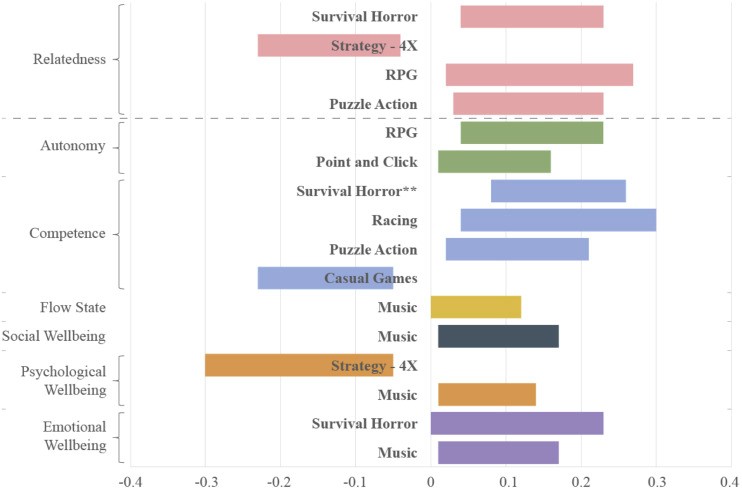
The field of psychology has undergone a profound shift in recent decades, transitioning from a predominant focus on pathology and deficits to an embrace of positive psychology. This evolving perspective, which emphasizes factors like positive emotions, engagement, relationships, meaning, purpose, and achievement (collectively known as PERMA), is now finding intriguing applications within the realm of video games. A significant chapter from the Palgrave Studies in Cyberpsychology series delves into this intersection, proposing a dual-factor model of mental health that integrates subjective well-being alongside traditional markers.
Redefining Mental Health Through Gaming
Historically, video games have often been viewed through a lens of potential negative impacts, from addiction to aggression. However, modern research, including the insights presented in this chapter, advocates for a more nuanced understanding. By shifting focus to a strength-based approach, researchers can explore how gaming environments can actively foster mental resilience and overall well-being, rather than solely cataloging potential harms. This represents a significant paradigm shift, recognizing the complex interplay between digital engagement and psychological flourishing.
The PERMA Model and Digital Play
The PERMA model, developed by Dr. Martin Seligman, offers a robust framework for understanding and cultivating well-being. Each element of PERMA can be observed and even enhanced through gaming experiences:
Positive Emotions: Games often evoke joy, excitement, and satisfaction through achievements, exploration, and engaging narratives.
Engagement: The immersive nature of many games can lead to a state of flow, where players are deeply engrossed and time seems to disappear.
Relationships: Multiplayer games and online communities foster social connections, teamwork, and a sense of belonging.
Meaning: Games can provide players with a sense of purpose, whether through achieving in-game goals, contributing to a team, or experiencing profound narratives.
Achievement: The clear goals, challenges, and reward systems inherent in games offer consistent opportunities for mastery and accomplishment.
Gaming as a Catalyst for Resilience
The exploration of gaming through the lens of positive psychology suggests that these digital worlds can serve as fertile ground for developing crucial psychological strengths. For instance, overcoming difficult in-game challenges can build perseverance and problem-solving skills, directly translating to real-world resilience. Similarly, navigating complex moral choices in narrative-driven games can enhance empathy and critical thinking.
From Deficit to Development: A New Perspective
The traditional psychological approach often focused on identifying and treating mental health disorders. While undeniably important, the rise of positive psychology, as applied to gaming, encourages a proactive stance. It moves beyond merely preventing negative outcomes to actively promoting positive psychological states and individual growth. This represents a fundamental re-evaluation of how interactive media can contribute to a richer, more fulfilling human experience.
The Evolved Dual-Factor Model
The proposed evolved dual-factor model of mental health is particularly noteworthy. It argues that mental health should not be seen as a single continuum from illness to wellness, but rather as two distinct, albeit interacting, dimensions: the absence of psychopathology and the presence of subjective well-being. Video games, within this framework, are positioned as tools that can simultaneously mitigate distress and elevate positive mental states.
Practical Applications and Case Studies
The chapter also delves into case and practical examples, illustrating how specific gaming experiences align with the principles of positive psychology. These examples underscore the potential for clinicians and educators to leverage gaming as a complementary tool in fostering psychological well-being, from therapeutic interventions that build social skills to educational games that promote engagement and mastery.
Future Directions in Cyberpsychology
This scholarly work contributes significantly to the growing field of cyberpsychology, urging researchers and practitioners to consider the multifaceted nature of gaming. It champions a future where digital interactions are not just analyzed for their risks, but are also intentionally designed and utilized to cultivate human strengths and enhance the overall quality of life. As gaming continues to permeate global culture, understanding its positive psychological dimensions becomes increasingly vital for fostering a healthier, more resilient society.
Source Insight: This report was curated based on original coverage from link.springer.com.
Explore Kri-Zek
📱 Altered Brilliance App
Download on Google Play · Watch the Trailer
📖 The Power of Gaming
Watch the Video
🤝 Connect With Us
Kri-Zek on LinkedIn · Founder on LinkedIn · Happenstance
📸 Follow Us on Instagram
@krizekster · @krizek.tech · @krizekindia