Badge
Mar 24, 2026
Unlocking Workplace Ingenuity: How Gaming Fuels Adult Creativity
New research reveals a fascinating link between playing video games and enhanced workplace creativity.
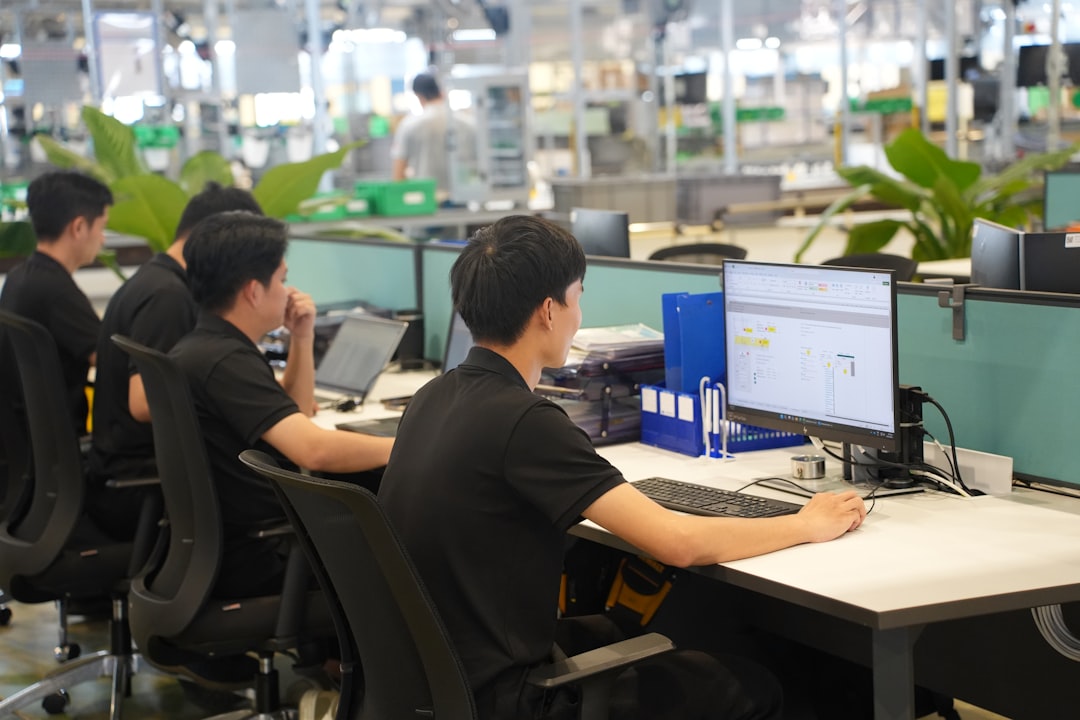
In an era where digital engagement is ubiquitous, the conversation around video games often swings between concerns over screen time and acknowledgments of their immersive potential. A recent study published in the Journal of Creativity delves into a more nuanced aspect: the positive relationship between playing video games and fostering creativity, specifically within the adult professional landscape.
The Gaming-Creativity Nexus
The research, conducted with 370 adult participants, sought to understand if the frequency of playing video games correlates with enhanced creativity in the workplace. Moving beyond anecdotal evidence, the study employed a rigorous cross-sectional design to investigate this connection. The findings suggest that this link is not merely superficial but is underpinned by deeper psychological mechanisms.
Psychological Capital: The Unseen Engine
At the heart of the study's findings is the concept of Psychological Capital (PsyCap). This encompasses an individual's positive psychological state of development, characterized by having high levels of hope, optimism, self-efficacy, and resilience. The research posits that PsyCap acts as a crucial mediator, explaining how video game engagement might translate into creative output.
Optimism: A Key Ingredient
Specifically, the study identified optimism as the primary mediating factor. The results indicate that individuals who play video games more frequently tend to exhibit higher levels of optimism. This optimism, in turn, is positively associated with greater creativity in their professional roles. It appears that the challenges, problem-solving, and goal-oriented nature of many video games cultivate a mindset that is more open to new ideas and less deterred by potential setbacks.
Implications for the Modern Workforce
These findings carry significant implications for how we perceive gaming and its role in adult development. Far from being just a pastime, engaging with video games could be a valuable tool for cultivating traits that are highly sought after in today's dynamic work environments. Industries are increasingly valuing innovation, adaptability, and creative problem-solving, and this research suggests that gaming might be a unique avenue for developing these competencies.
Beyond the Screen: Cultivating a Creative Mindset
The study's focus on adults' creativity in the workplace is particularly noteworthy. It challenges the common assumption that gaming's benefits are primarily for younger demographics. By fostering optimism, video games can help adults approach work challenges with a more positive and proactive outlook, essential for navigating complex projects and generating novel solutions.
Fostering a Creative Environment
Understanding this mediating role of optimism opens up possibilities for how organizations might encourage creativity. While not advocating for mandatory gaming sessions, awareness of these psychological benefits could inform approaches to team-building, professional development, and fostering a supportive environment where creative risks are encouraged.
The Future of Play and Productivity
As the lines between leisure and work continue to blur, research like this offers a compelling perspective on how our digital interactions can positively shape our cognitive and psychological well-being. The Journal of Creativity's exploration into the video game-creativity link, mediated by optimism, underscores the profound and often underestimated ways in which play can contribute to professional success and personal growth.
Source Insight: This report was curated based on original coverage from sciencedirect.com.
Explore Kri-Zek
📱 Altered Brilliance App
Download on Google Play · Watch the Trailer
📖 The Power of Gaming
Watch the Video
🤝 Connect With Us
Kri-Zek on LinkedIn · Founder on LinkedIn · Happenstance
📸 Follow Us on Instagram
@krizekster · @krizek.tech · @krizekindia