Badge
Apr 4, 2026
Unpacking the Cognitive Landscape of Youth Gaming
New research delves into how video games impact young minds. Explore the benefits for attention and memory, alongside potential drawbacks and the crucial role of moderation.
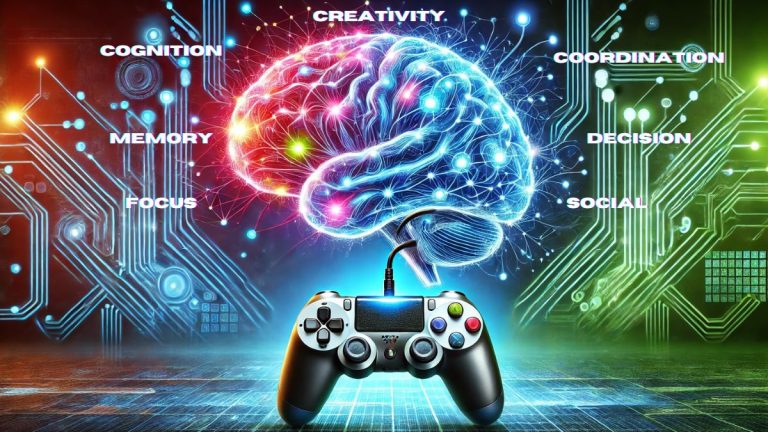
The intricate relationship between video games and the developing minds of young people has long been a subject of fascination and study. A recent comprehensive literature review, drawing from a wide array of academic databases, sought to synthesize the existing research on the cognitive effects of video game use in individuals aged 12 to 25.
The Dual Nature of Gaming's Impact
The findings reveal a complex, often dichotomous, impact. On one hand, various categories of video games have demonstrated a capacity to enhance crucial cognitive functions. These include significant improvements in attention, working memory, executive functions, metacognition, and abstract reasoning. This suggests that well-designed games can act as powerful tools for cognitive development.
Identifying Positive Cognitive Gains
Specifically, the review points to several genres that are particularly effective in fostering these positive cognitive shifts. While the exact mechanisms are still being explored, the fast-paced, strategic, and problem-solving elements inherent in many modern video games appear to engage and train these cognitive faculties effectively. This is a significant finding for educators and parents looking for novel ways to support cognitive growth.
Acknowledging Potential Drawbacks
However, the research also casts a light on potential negative consequences. The review noted studies indicating detrimental effects on attention spans, self-regulation, and overall academic performance. These adverse outcomes are often linked to excessive play or engagement with specific game types that may not offer the same cognitive benefits.
The Critical Role of Context and Moderation
The heterogeneity of these results underscores a critical point: the impact of video games is not monolithic. It is profoundly influenced by several factors, including gender, the context of use, and, crucially, the regulation of exposure time. This nuanced perspective moves beyond simple 'good' or 'bad' classifications, urging a more sophisticated understanding.
Towards Pedagogical Integration
These findings carry significant implications for how we approach video games in educational and developmental settings. The review highlights the need for a more pedagogical and regulated integration of video games. This could involve using games as learning tools, ensuring they are age-appropriate, and setting clear boundaries for playtime.
Navigating the Risks of Addiction
Furthermore, the research implicitly or explicitly touches upon the pervasive concern of gaming addiction. By understanding the cognitive mechanisms at play, researchers and clinicians can better identify at-risk individuals and develop strategies to mitigate potential harm, ensuring that gaming remains a source of enrichment rather than detriment.
Future Directions in Research
Ultimately, the review calls for continued and more in-depth research. The goal is to further dissect the complex interplay between different game mechanics, player characteristics, and cognitive outcomes. By maximizing the benefits and proactively preventing the risks, society can better harness the potential of video games for the cognitive well-being of its youth.
Source Insight: This report was curated based on original coverage from rsisinternational.org.
Explore Kri-Zek
📱 Altered Brilliance App
Download on Google Play · Watch the Trailer
📖 The Power of Gaming
Watch the Video
🤝 Connect With Us
Kri-Zek on LinkedIn · Founder on LinkedIn · Happenstance
📸 Follow Us on Instagram
@krizekster · @krizek.tech · @krizekindia