Badge
Mar 13, 2026
Virtual Havens and the Echoes of Human Experience
In an era of increasing detachment, virtual worlds offer profound emotional resonance. From the solitary grandeur of space exploration to the archived whispers of forgotten digital lives, games are becoming powerful reflections of our collective human journey.
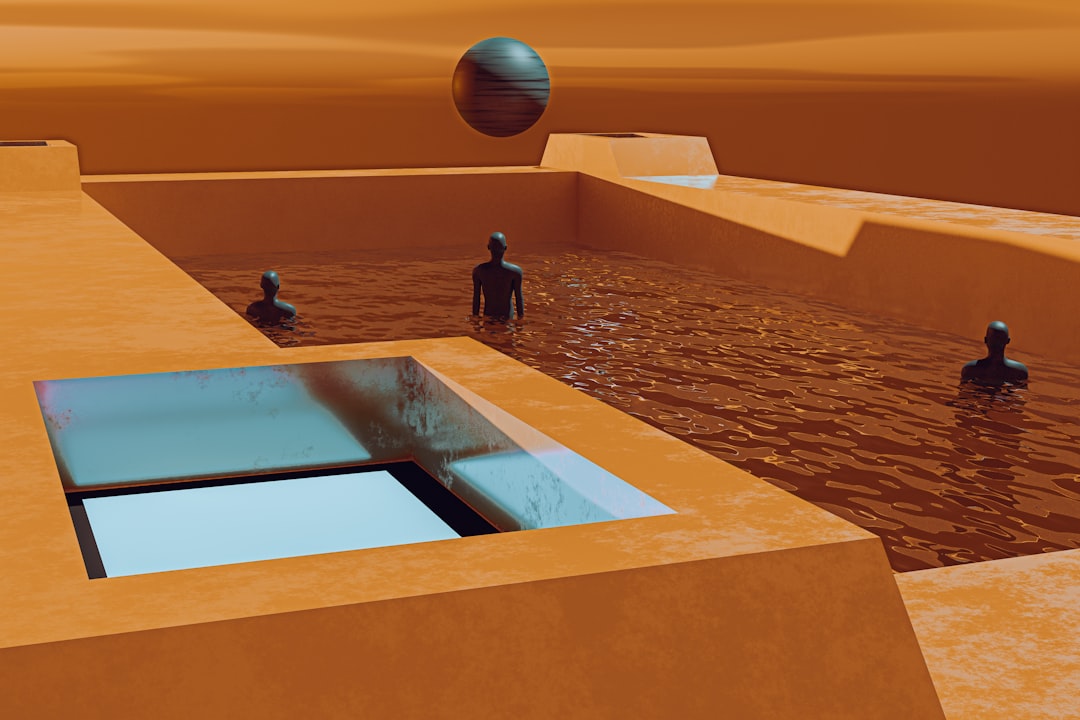
In the isolating quiet of a pandemic lockdown, the virtual expanse of Elite Dangerous offers a curious solace. Piloting a spacecraft through a meticulously crafted 1:1 scale Milky Way, players Cade Diehm and a friend embark on a journey back to Earth. This isn't merely a digital flight; it's an experience that evokes the disassociation of long-haul travel, blending the physical reality of a Berlin apartment with the awe-inspiring, yet desolate, digital cosmos. The palpable relief upon encountering simulated human activity around Mars underscores the profound human need for connection, even in a simulated environment.
As their ship nears Earth in the year 3306, the familiar glow of civilization on the "Blue Marble" provides an unexpected comfort. Witnessing the sunrise from orbit, 1,286 years in the future, while simultaneously experiencing it rise in their actual apartment, creates a "para-real" moment. This duality, where the digital and physical converge, prompts a poignant reflection: are we the "middle children of history," born too late to truly explore our own planet and too soon for the stars?
The Profound Resonance of Virtual Worlds
The emotional impact of such virtual voyages is far from unique to Elite Dangerous. The game's community frequently shares stories of players overcome with emotion upon returning to Earth or discovering poignant remnants of past journeys, like the Voyager probe. This highlights a core appeal of the open-world genre: the potent alchemy of exploration, player interaction, and hyperrealistic environments that can forge deep, unexpected emotional connections.
Archiving Digital Dreams
Beyond grand cosmic adventures, these digital realms become repositories of lived experience. As players mature and move on from games like Minecraft, their meticulously constructed worlds often linger in vast data centers. Dedicated communities, such as the /r/Minecraft-Archeology subreddit, actively seek out and archive these forgotten digital spaces. Within them, they uncover intimate fragments of players' lives: records of nascent romances, personal journals detailing adolescent anxieties, and heartfelt memorials for lost loved ones. Structures in games like Elite Dangerous serve as digital cemeteries, where solitary players often pause in contemplation alongside messages of remembrance.
The Artificial Wilderness as a Mirror
Games such as Elden Ring, Animal Crossing, Grand Theft Auto, and World of Warcraft, while celebrated for their commercial success, are also significant cultural touchstones. Their meticulously simulated, detailed worlds offer a compelling escape, providing a sense of presence and exploration that resonates deeply in an age of shrinking public spaces, increased personal isolation, and economic instability. These artificial environments serve as a powerful balm for what is often termed "climate grief."
Environmental Reflections and Technological Appetites
The concept of the "artificial wilderness," as explored by the author and Edward Anthony, posits these game worlds as a barometer for environmental damage. Whether by intention or not, meticulously crafted digital ecosystems—lush forests, vibrant oceans, untouched landscapes—serve as poignant reminders of a younger, healthier planet. These dioramas, rich with detail, represent environments perhaps lost to us forever, becoming "too late to explore."
The Insatiable Drive for the Virtual
These sophisticated virtual worlds are, inevitably, fueled by relentless market forces: the pursuit of new intellectual property, technological advancements, and profit. This drive is supported by massive data centers, advanced rendering farms, and a continuous cycle of hardware upgrades. The release of powerful graphics cards, like the NVIDIA GeForce 4090 in 2022, exemplifies the escalating demand and capability for creating increasingly immersive and detailed artificial realities, pushing the boundaries of what is possible in digital escapism.
Source Insight: This report was curated based on original coverage from newdesigncongress.org.
Explore Kri-Zek
📱 Altered Brilliance App
Download on Google Play · Watch the Trailer
📖 The Power of Gaming
Watch the Video
🤝 Connect With Us
Kri-Zek on LinkedIn · Founder on LinkedIn · Happenstance
📸 Follow Us on Instagram
@krizekster · @krizek.tech · @krizekindia